
Introduction to PVC Ball Valve Threaded
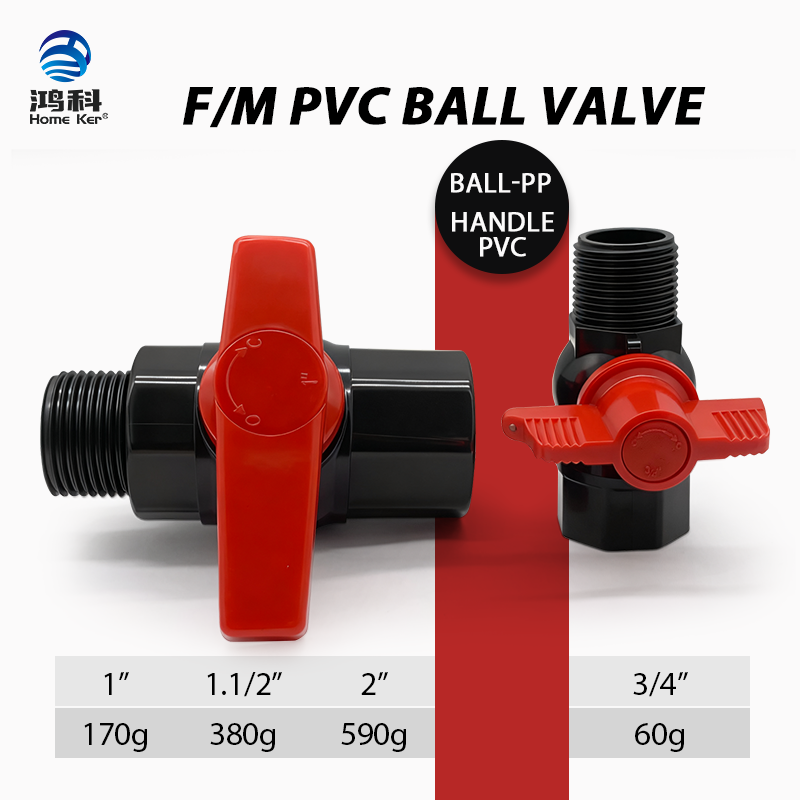
In the world of plumbing and fluid management, selecting the right valve can make all the difference in efficiency and longevity. A PVC ball valve threaded stands out as a versatile choice, combining the lightweight properties of polyvinyl chloride (PVC) with a secure threaded connection for seamless integration into various systems. Whether you’re working on residential water lines or industrial processes, understanding the features of a PVC ball valve threaded can help you achieve optimal results without unnecessary complications.
PVC, known for its resistance to corrosion and chemicals, forms the backbone of these valves. The threaded design ensures a tight seal, reducing the risk of leaks and making installation straightforward even for those with basic DIY skills. As we delve deeper, we’ll explore why a PVC ball valve threaded is increasingly popular among professionals and hobbyists alike.
Why Choose PVC Over Other Materials?
When comparing valve materials, PVC offers unique advantages. Unlike metal alternatives that can rust or corrode over time, PVC maintains its integrity in harsh environments. This makes a PVC ball valve threaded particularly suitable for applications involving acidic or chlorinated substances. Additionally, its affordability doesn’t compromise on quality, providing a cost-effective solution for budget-conscious projects.
Key Benefits of Using a PVC Ball Valve Threaded
The appeal of a PVC ball valve threaded lies in its practical benefits that enhance system performance and user convenience.
Durability and Corrosion Resistance
One of the primary strengths is its exceptional durability. Exposed to moisture or chemicals, a PVC ball valve threaded resists degradation, ensuring long-term reliability. This feature is crucial in outdoor installations or areas with high humidity, where traditional metal valves might fail prematurely.
Ease of Installation and Maintenance
Threaded connections simplify the setup process. You can attach a PVC ball valve threaded directly to pipes without needing specialized tools beyond a wrench. Maintenance is equally hassle-free; the ball mechanism allows for quick quarter-turn operation to control flow, and disassembly for cleaning is minimal.
Cost-Effectiveness in Long-Term Use
Over time, the low initial cost combined with reduced repair needs translates to significant savings. Businesses often report lower operational expenses when switching to these valves.
Exploring Types of PVC Threaded Ball Valves
Diversity in design allows users to select the perfect fit for their needs. Here, we highlight specialized variants that incorporate advanced features.
Compact PVC Threaded Ball Valve
For space-constrained environments, a compact PVC threaded ball valve is an excellent option. Its reduced size doesn’t sacrifice functionality, making it ideal for tight plumbing configurations in RVs or small machinery. This type maintains the core benefits of a standard PVC ball valve threaded while fitting into narrower spaces.
Low Permeation PVC Threaded Ball Valve
In applications where preventing gas or vapor escape is critical, such as fuel lines or chemical storage, a low permeation PVC threaded ball valve excels. Engineered with enhanced barriers, it minimizes leakage at a molecular level, ensuring safety and compliance with environmental standards.
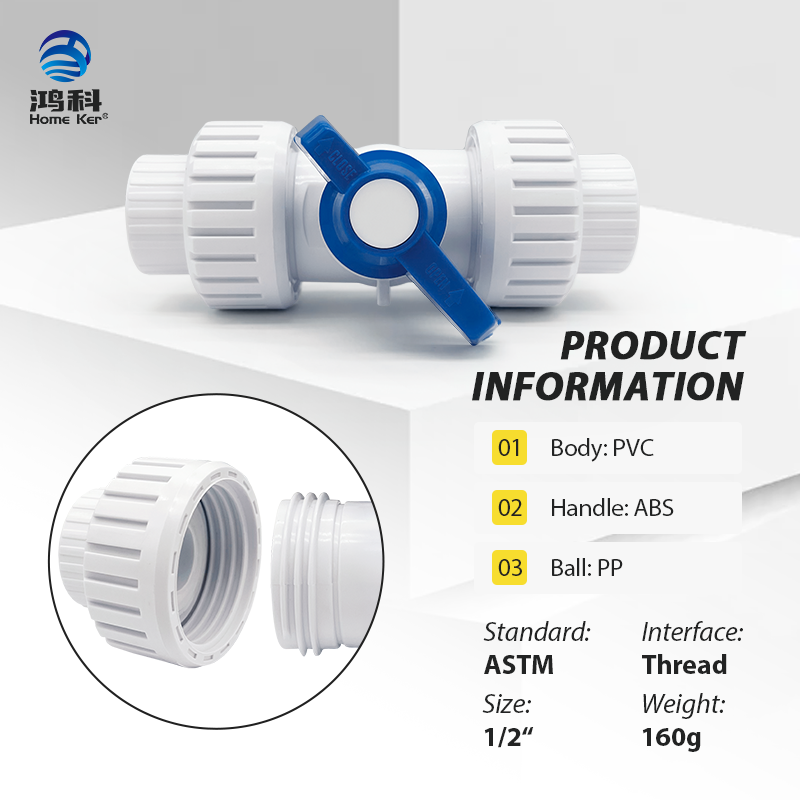
PVC Ball Valve with Integral Threaded Unions
For added flexibility, consider a PVC ball valve with integral threaded unions. This design allows for easy disconnection and reconnection without cutting pipes, which is invaluable during system upgrades or repairs. It combines the reliability of a PVC ball valve threaded with modular convenience.
Comparing Features Across Types
To help you decide, here’s a quick overview:
- Compact Version: Best for limited spaces; lightweight and efficient.
- Low Permeation Model: Focuses on containment; ideal for volatile substances.
- Integral Unions Style: Enhances modularity; simplifies maintenance.
Each type builds on the foundational PVC ball valve threaded concept, tailoring it to specific scenarios.
Applications in Various Industries
The versatility of a PVC ball valve threaded extends across multiple sectors, proving its adaptability.
Residential Plumbing Systems
Homeowners frequently use these valves in irrigation setups or pool maintenance. Their resistance to chlorine makes them perfect for swimming pool filtration, where reliable flow control prevents water wastage.
Industrial and Commercial Uses
In manufacturing, a PVC ball valve threaded handles corrosive fluids in chemical processing plants. Factories appreciate the quick shut-off capability, which minimizes downtime during emergencies.
Agricultural Implementations
Farmers rely on these valves for drip irrigation systems. The threaded design ensures secure connections in outdoor, variable weather conditions, supporting efficient water distribution to crops.
Specialized Environments
In laboratories, a low permeation PVC threaded ball valve is preferred for handling sensitive gases, while marine applications benefit from the corrosion resistance in saltwater exposures.
Installation Guide for PVC Ball Valve Threaded
Proper installation maximizes the valve’s lifespan and performance. Follow these steps for a successful setup.
Preparation and Tools Needed
Gather essentials: pipe thread sealant, adjustable wrench, and compatible PVC pipes. Ensure threads are clean to avoid cross-threading.
Step-by-Step Installation Process
- Apply sealant to male threads.
- Align the PVC ball valve threaded with the pipe.
- Hand-tighten, then use a wrench for a secure fit—avoid over-tightening to prevent cracking.
- Test for leaks by running fluid through the system.
Common Mistakes to Avoid
Don’t skip sealant; it prevents leaks. Also, ensure the valve is in the open position during installation to reduce stress on components.
For visual guidance, check out this image:
PVC ball valve threaded installation process
Alt: Step-by-step PVC ball valve threaded installation
Maintenance Tips to Extend Lifespan
Regular care keeps your PVC ball valve threaded operating smoothly.
Routine Inspections
Check for signs of wear quarterly. Look for cracks or discoloration, which might indicate chemical exposure issues.
Cleaning Procedures
Flush with clean water periodically. For stubborn buildup, disassemble and soak in a mild solution—reassemble carefully.
Troubleshooting Common Issues
If the handle sticks, lubricate the ball with silicone-based products. Leaks often stem from loose threads; retighten as needed.
A compact PVC threaded ball valve might require less frequent checks due to its robust design.
Environmental and Safety Considerations
Sustainability is key in modern valve selection. PVC materials in these valves are recyclable, reducing environmental impact. Safety-wise, the smooth operation of a PVC ball valve threaded minimizes accident risks during use.
Compliance with Standards
Ensure your choice meets ASTM or NSF certifications for potable water applications. For more on industry standards, visit this authoritative resource: American Society of Mechanical Engineers (ASME).
Purchasing Guide: What to Look For
When buying, prioritize quality. Look for valves with reinforced threads and full-port designs for unrestricted flow.
Top Features to Prioritize
- Pressure rating: At least 150 PSI for most uses.
- Size compatibility: Match to your pipe diameter.
- Warranty: Opt for products with extended coverage.
For related products, explore our internal pages: PVC Pipe Fittings Guide or Ball Valve Accessories. Another useful link is our Threaded Union Valves Overview.
Budget vs. Premium Options
Entry-level models suit basic needs, while premium ones, like a PVC ball valve with integral threaded unions, offer advanced features for demanding environments.
Here’s an illustrative image:
Various types of PVC ball valve threaded
Alt: Assortment of PVC ball valve threaded designs
Future Trends in PVC Valve Technology
Innovation continues to shape this field. Expect advancements in bio-based PVC for eco-friendlier options and smart integrations for remote monitoring.
Emerging Materials and Designs
Researchers are developing enhanced low permeation PVC threaded ball valves with nanotechnology for even better barrier properties.
Conclusion: Making the Right Choice
In summary, a PVC ball valve threaded represents a smart investment for reliable fluid control. From compact designs to those with integral unions, these valves cater to diverse needs while delivering durability and ease. By incorporating one into your system, you’ll enjoy enhanced efficiency and peace of mind.
Whether upgrading an existing setup or starting fresh, consider the specific features that align with your requirements. For personalized advice, reach out to our experts via Contact Us.