
Introduction to UPVC Ball Valves
In today’s fast-paced industrial and residential landscapes, selecting the right components for fluid management systems is crucial. Among the standout options is the 1 Inch UPVC Ball Valve, a versatile piece engineered for optimal flow control. Made from unplasticized polyvinyl chloride, this valve stands out for its robustness without the flexibility issues often seen in standard PVC alternatives. It’s particularly favored in scenarios where reliability and longevity are non-negotiable.
UPVC, or unplasticized polyvinyl chloride, provides a rigid structure that resists deformation under pressure. This material choice ensures the 1 Inch UPVC Ball Valve can handle a variety of fluids, from water to mild chemicals, without compromising integrity. As we delve deeper, we’ll explore why this specific size—equivalent to DN25—has become a go-to for professionals across sectors.
Why Choose a 1 Inch Size?
The 1-inch diameter strikes a balance between flow capacity and space efficiency. It’s large enough to manage substantial volumes but compact for installations in tight spaces. For those seeking bulk options, exploring DN25 UPVC Ball Valve Wholesale can yield significant savings, especially for large-scale projects.
Key Features of the 1 Inch UPVC Ball Valve
What sets the 1 Inch UPVC Ball Valve apart are its thoughtfully designed features that prioritize user convenience and system safety. Let’s break them down.
Corrosion and Chemical Resistance
One of the primary advantages lies in its inherent resistance to corrosion. Unlike metal valves that can rust over time, UPVC material shields against environmental degradation, making it ideal for outdoor or humid environments. This feature extends the valve’s lifespan, often exceeding a decade with proper use.
In chemical-handling applications, the valve’s ability to withstand acids, alkalis, and salts is invaluable. For instance, the DN25 PN16 UPVC Ball Valve variant is rated to handle pressures up to 16 bar, ensuring it performs under demanding conditions without leaking or failing.
Enhanced Sealing Mechanisms
Modern designs incorporate advanced sealing technologies, such as double O-rings or PTFE seats, which provide a tight shut-off. This minimizes leakage risks and supports precise flow regulation, from full open to complete closure with a simple quarter-turn handle.
Lightweight Construction and Ease of Installation
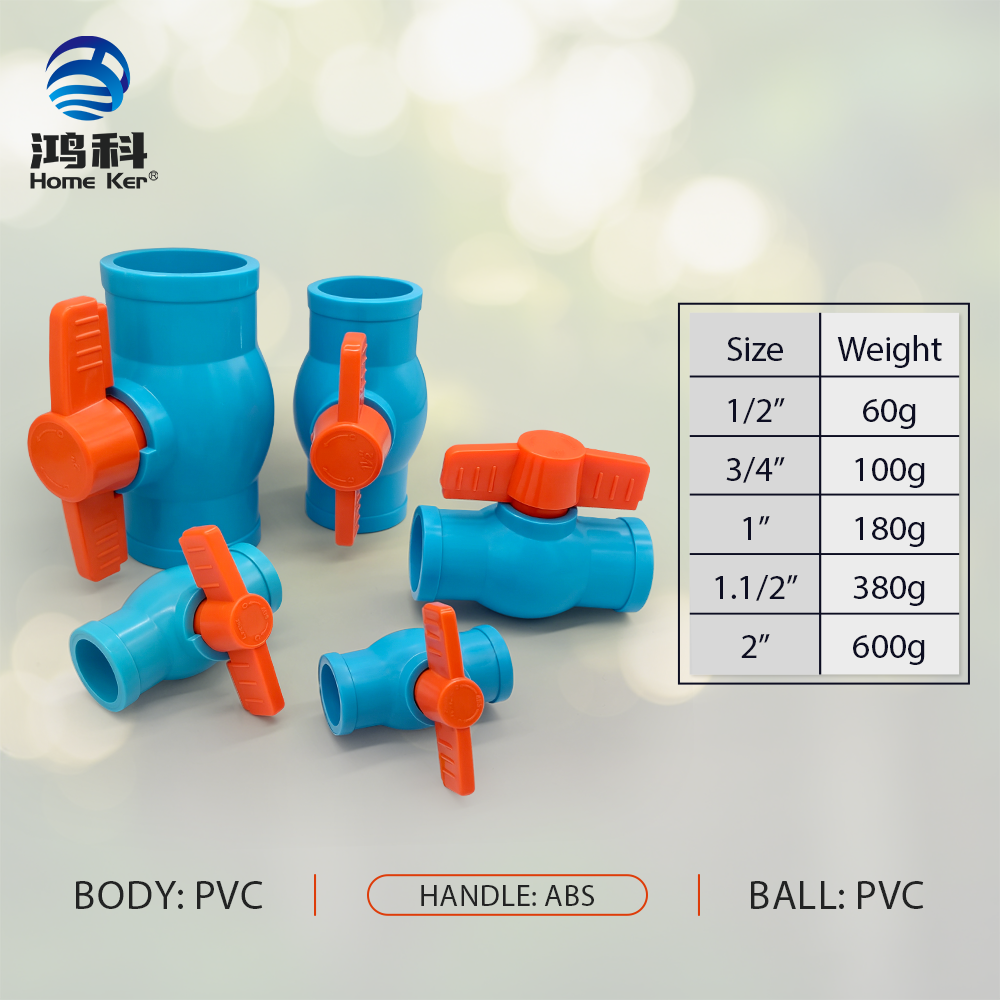
Weighing significantly less than brass or stainless steel counterparts, the 1 Inch UPVC Ball Valve simplifies handling and setup. Installers appreciate how it reduces labor time and costs—no heavy lifting equipment required. Threaded or socket ends allow for quick connections via solvent cement or mechanical fittings.
For high-heat scenarios, consider the High Temperature UPVC Ball Valve (1 Inch), which can operate effectively in elevated temperatures up to 60°C or more, depending on the model. This adaptability makes it suitable for processes involving warm fluids.
Temperature and Pressure Ratings
Standard models are rated for temperatures from -10°C to 60°C and pressures up to PN10 or PN16. Always check specifications to match your system’s requirements, as exceeding these can lead to premature wear.
Benefits of Using a 1 Inch UPVC Ball Valve
Adopting this valve brings a host of benefits that go beyond basic functionality. Here’s a closer look at how it adds value.
Cost-Effectiveness Over Time
Initial purchase prices are lower compared to metallic options, but the real savings come from reduced maintenance needs. With no need for frequent replacements or repairs, operational downtime is minimized. Businesses opting for DN25 UPVC Ball Valve Wholesale can further optimize budgets by buying in volume.
Environmentally, UPVC is recyclable, aligning with sustainable practices. Its production requires less energy than metals, contributing to a smaller carbon footprint.
Versatility in Applications
From residential plumbing to industrial processes, the 1 Inch UPVC Ball Valve adapts seamlessly. In agriculture, it controls irrigation lines efficiently, preventing water waste. Industrial users rely on it for chemical dosing systems, where precision is key.
Low Maintenance Requirements
Unlike valves that demand regular lubrication or cleaning, UPVC models are virtually maintenance-free. A periodic visual inspection suffices, freeing up resources for other tasks.
Safety and Reliability
The smooth bore design ensures minimal pressure drop, promoting efficient fluid movement. This reliability is critical in safety-sensitive areas, like water treatment plants, where consistent performance prevents hazards.
For specialized needs, the DN25 PN16 UPVC Ball Valve offers enhanced pressure tolerance, making it a preferred choice for medium-duty pipelines.
Common Applications for the 1 Inch UPVC Ball Valve
The adaptability of the 1 Inch UPVC Ball Valve shines through in its wide range of uses. Let’s examine some primary sectors.
Water Management and Plumbing
In domestic and commercial plumbing, this valve regulates water flow in pipes, tanks, and fixtures. Its non-toxic nature ensures it’s safe for potable water systems, complying with health standards.
Irrigation Systems in Agriculture
Farmers utilize it to manage water distribution in drip or sprinkler setups. The lightweight design facilitates easy adjustments in the field, boosting crop yields while conserving resources.
Chemical and Industrial Processing
Industries handling corrosive substances benefit from its chemical inertness. It’s commonly found in fertilizer plants or wastewater treatment facilities, where it endures harsh environments.
For hotter processes, the High Temperature UPVC Ball Valve (1 Inch) provides a reliable solution without the need for costly upgrades.
Aquariums and Recreational Water Features
In aquariums or fountains, the valve controls circulation pumps, maintaining water quality. Its durability against constant exposure to water and chlorine makes it indispensable.
Other Niche Uses
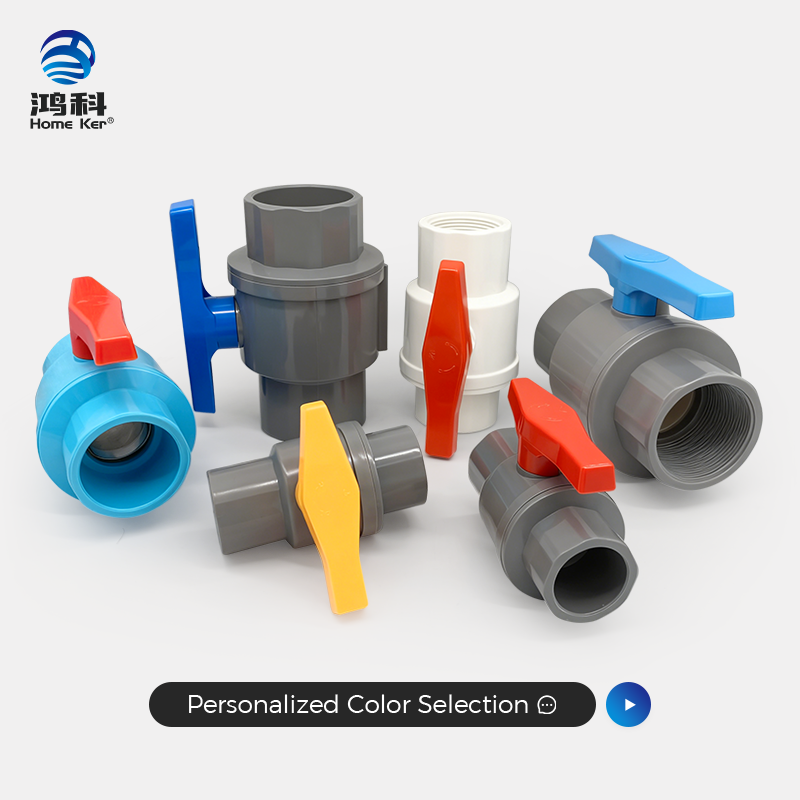
Beyond mainstream applications, it’s employed in light-duty chemical transfer or even DIY projects. Always ensure compatibility with the fluid type to maximize performance.
Specifications to Consider When Buying
Understanding technical specs is essential for selecting the right valve.
Size and Connection Types
As a 1-inch model, it corresponds to DN25 nominal diameter. Options include threaded (BSP or NPT) or solvent-weld ends for secure fittings.
Pressure and Temperature Limits
Look for PN ratings: PN10 for standard use, or PN16 for higher pressures. Temperature tolerance varies, so match it to your operational environment.
Material Quality and Certifications
High-grade UPVC ensures compliance with standards like ISO or ASTM. Certifications for food-grade or chemical resistance add assurance.
For bulk procurement, sourcing DN25 UPVC Ball Valve Wholesale from reputable suppliers guarantees consistency in quality.
Installation and Maintenance Tips
Proper installation maximizes the valve’s potential.
Step-by-Step Installation Guide
- Prepare the pipe ends by cleaning and deburring.
- Apply solvent cement if using glue-type connections.
- Insert the valve and allow curing time.
- Test for leaks under low pressure initially.
Tools Required
Basic tools like pipe cutters, wrenches, and cement suffice. For threaded versions, use Teflon tape to seal joints.
Maintenance Best Practices
Inspect quarterly for signs of wear. Clean with mild soap if needed, avoiding abrasive materials. In high-temperature setups, monitor seals more frequently.
Comparing UPVC Ball Valves to Alternatives
When stacked against brass or stainless steel valves, UPVC offers superior corrosion resistance at a fraction of the cost. However, for extreme pressures, metal might be preferable.
Pros and Cons
Pros: Affordable, lightweight, resistant to chemicals. Cons: Limited to moderate temperatures and pressures compared to metals.
Market Trends in 2025
With sustainability in focus, demand for eco-friendly materials like UPVC is rising. Innovations include motorized versions for automated control.
Where to Source Quality 1 Inch UPVC Ball Valves
Reliable suppliers are key. For wholesale, search for providers offering DN25 PN16 UPVC Ball Valve options with warranties.
Internal Links:
- Explore Our Range of UPVC Fittings
- Learn About PVC vs. UPVC Differences
- Bulk Ordering Tips for Valves
External Link: For more on UPVC materials, visit Wikipedia’s Polyvinyl Chloride Page.
Conclusion: Elevate Your Systems with the 1 Inch UPVC Ball Valve
In summary, the 1 Inch UPVC Ball Valve represents a smart investment for efficient fluid control. Its blend of durability, affordability, and ease of use makes it indispensable across applications. Whether you’re eyeing the High Temperature UPVC Ball Valve (1 Inch) for specialized needs or standard models, prioritizing quality ensures long-term success. Upgrade your setup today and experience the difference.