
Introduction to PVC Check Valves
In the world of plumbing and fluid management, few components are as essential yet often overlooked as the PVC check valve. These simple devices play a critical role in ensuring that fluids flow in one direction only, preventing costly backflow issues that can lead to system failures or contamination. Whether you’re a homeowner tackling a DIY project or a professional installer working on large-scale systems, understanding the value of a high-quality PVC check valve can save time, money, and headaches.
At Zhejiang HONGKE Valves Factory, we specialize in manufacturing robust PVC check valves that meet stringent quality standards. Located in Zhejiang, China, our factory has been producing reliable valve solutions for over a decade, focusing on innovation and durability. Our PVC check valves are crafted from premium polyvinyl chloride materials, offering resistance to corrosion, chemicals, and wear—making them ideal for a variety of environments, from residential water lines to industrial pumping setups.
This article dives deep into everything you need to know about PVC check valves, including their functions, types, installation tips, and why choosing the right one matters. We’ll explore common questions like what does a PVC check valve do, and highlight specific options such as the PVC check valve 3/4 for compact applications or the PVC check valve for well pump systems. By the end, you’ll have the knowledge to select and maintain these valves effectively.
Understanding the Function of a PVC Check Valve
What Does a PVC Check Valve Do?
At its core, what does a PVC check valve do? It’s a one-way valve that allows fluid to pass through in a single direction while automatically closing to block reverse flow. This mechanism is vital in preventing backflow, which can cause pumps to lose prime, contaminate water supplies, or even damage equipment. Imagine a scenario where water from a sump pump tries to flow back into the basement during heavy rain— a properly installed PVC check valve stops that in its tracks.
Unlike metal alternatives, PVC check valves are lightweight and non-corrosive, making them perfect for use with water, chemicals, or even mild acids. They operate without external power, relying on gravity, spring mechanisms, or fluid pressure to function. For instance, in well systems, a PVC check valve for well pump ensures that water doesn’t drain back into the well when the pump shuts off, maintaining efficiency and extending the pump’s lifespan.
Key Benefits of Using PVC Check Valves
One of the standout advantages of a PVC check valve is its versatility. These valves come in various sizes, such as the popular PVC check valve 3/4 inch model, which fits snugly into standard plumbing lines without adding bulk. They’re also cost-effective, often outlasting cheaper alternatives due to their resistance to rust and scaling.
From an environmental perspective, PVC check valves from Zhejiang HONGKE Valves Factory are designed with sustainability in mind. Our manufacturing process minimizes waste, and the valves themselves promote water conservation by reducing leaks and inefficiencies. In industrial settings, they help maintain pressure in pipelines, ensuring consistent flow rates and reducing energy consumption.
Moreover, these valves require minimal maintenance. A quick inspection every few months is usually sufficient to ensure the flap or ball inside is moving freely. If sediment builds up, a simple rinse with vinegar can restore functionality—far easier than dealing with corroded metal parts.
Types of PVC Check Valves Available
Swing Check Valves vs. Spring-Loaded Options
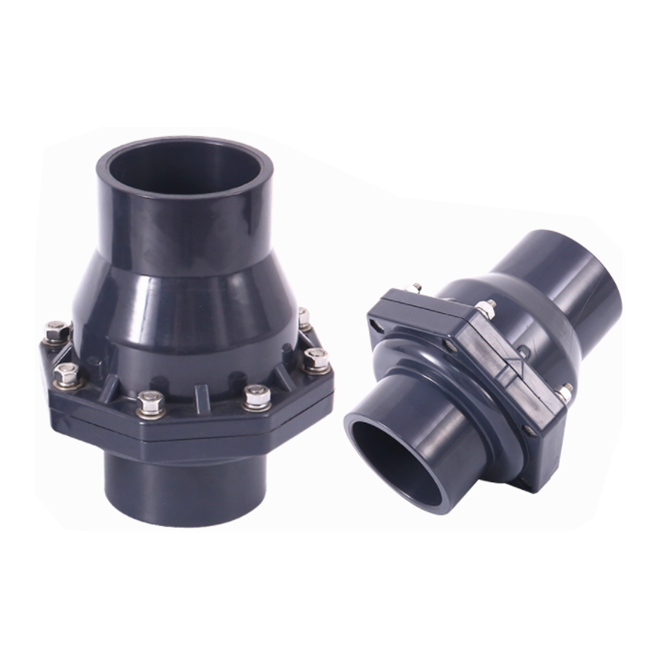
When selecting a PVC check valve, you’ll encounter different designs tailored to specific needs. Swing check valves feature a hinged disc that swings open with forward flow and closes against backflow. They’re ideal for low-pressure systems and are commonly used in drainage setups.
On the other hand, spring-loaded PVC check valves use a spring to force the valve closed, providing a tighter seal even in vertical installations. This type is particularly useful in high-pressure environments or where quick closure is needed to prevent water hammer—a sudden pressure surge that can damage pipes.
For well applications, the PVC check valve for well pump often incorporates a spring-loaded mechanism to handle the intermittent operation of submersible pumps. At Zhejiang HONGKE Valves Factory, we offer both types in sizes ranging from 1/2 inch to 4 inches, ensuring compatibility with most systems.
Specialized Sizes and Configurations
The PVC check valve 3/4 inch variant is a bestseller for residential use, fitting perfectly into garden hoses, irrigation lines, or small sump pumps. Its compact size doesn’t compromise on flow capacity, handling up to 10 gallons per minute in standard conditions.
For larger setups, we produce threaded, socket, or flanged versions that integrate seamlessly with existing PVC piping. Custom configurations are available upon request, reflecting our factory’s commitment to meeting diverse customer needs.
Installation and Maintenance Guide
Step-by-Step Installation Process
Installing a PVC check valve is straightforward, but proper technique ensures longevity. First, identify the flow direction—most valves have an arrow indicating the correct orientation. For a PVC check valve for well pump, place it just above the pump outlet to maximize efficiency.
Cut the pipe cleanly, deburr the edges, and apply PVC primer and cement for a secure bond. In threaded models like the PVC check valve 3/4, use Teflon tape to prevent leaks. Always test the system after installation by running water and checking for backflow.
If you’re unsure, consult our installation guide on the Zhejiang HONGKE Valves website for detailed diagrams and videos.
Common Maintenance Tips
Regular checks are key to avoiding issues. Inspect for cracks or debris buildup, especially in areas with hard water. What does a PVC check valve do when clogged? It can fail to close properly, leading to inefficiencies. Clean it by disassembling (if possible) and soaking in a mild acid solution.
For long-term reliability, pair your PVC check valve with compatible fittings from our catalog. Visit our maintenance resources page for more tips.
Troubleshooting Common Problems
If your system experiences reduced flow, it might be due to a stuck valve. Gently tap the exterior or flush with clean water. In rare cases of failure, replacements are affordable and readily available from Zhejiang HONGKE Valves Factory.
For authoritative advice, refer to the American Society of Plumbing Engineers’ guidelines on check valves [here](external-link: aspe.org/check-valve-standards).
Applications Across Industries
Residential Plumbing Uses
In homes, PVC check valves shine in sump pumps, aquariums, and rainwater harvesting systems. They prevent basement flooding and maintain water levels in tanks. The PVC check valve 3/4 is especially popular for connecting to washing machines or dishwashers, stopping siphoning effects.
Industrial and Agricultural Applications
Factories rely on these valves for chemical processing lines, where corrosion resistance is paramount. In agriculture, they’re used in irrigation to direct water flow without waste. Our PVC check valve for well pump models are engineered for deep well operations, handling pressures up to 150 PSI.
What does a PVC check valve do in these settings? It ensures operational continuity, reducing downtime and repair costs.
Why Choose Zhejiang HONGKE Valves Factory
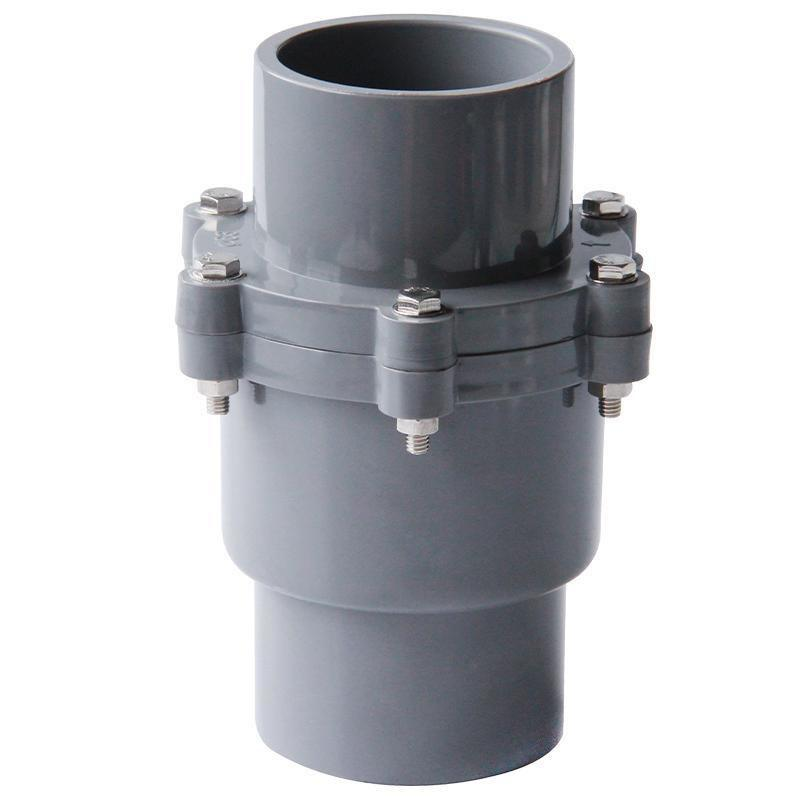
As a leading manufacturer in Zhejiang, China, HONGKE Valves Factory stands out for its dedication to quality. We use virgin PVC resin, free from recycled materials, to guarantee strength and purity. Each PVC check valve undergoes rigorous testing for pressure, flow, and seal integrity before leaving our facility.
Our customer service team provides expert guidance, from selecting the right size—like the versatile PVC check valve 3/4—to customizing orders for bulk purchases. We’re ISO 9001 certified, ensuring consistent production standards.
For more on our product line, check out our full catalog.
Comparing PVC Check Valves to Alternatives
While brass or stainless steel check valves offer strength in high-heat environments, they corrode over time in chlorinated water—unlike PVC. PVC options are also lighter, easier to install, and more affordable, with prices starting at just a few dollars per unit.
In terms of performance, a well-made PVC check valve matches or exceeds metal counterparts in low to medium-pressure applications. For well systems, the specialized PVC check valve for well pump outperforms generic metal valves by resisting biofouling.
Future Trends in Valve Technology
Looking ahead, advancements in PVC formulations are making these valves even more resilient. Smart valves with sensors for remote monitoring are on the horizon, but for now, traditional PVC check valves remain the go-to for reliability.
At Zhejiang HONGKE Valves Factory, we’re investing in R&D to incorporate eco-friendly additives, reducing environmental impact without sacrificing performance.
Conclusion: Invest in Quality PVC Check Valves Today
In summary, a PVC check valve is an indispensable component for any fluid system, offering protection against backflow and ensuring smooth operation. Whether you’re curious about what does a PVC check valve do or need a specific model like the PVC check valve 3/4 or PVC check valve for well pump, Zhejiang HONGKE Valves Factory has you covered.
Don’t compromise on quality—choose our factory-direct solutions for peace of mind. Contact us today to learn more and place your order.