
Understanding the Basics of PVC Angle Valves
What Exactly is a PVC Angle Valve?
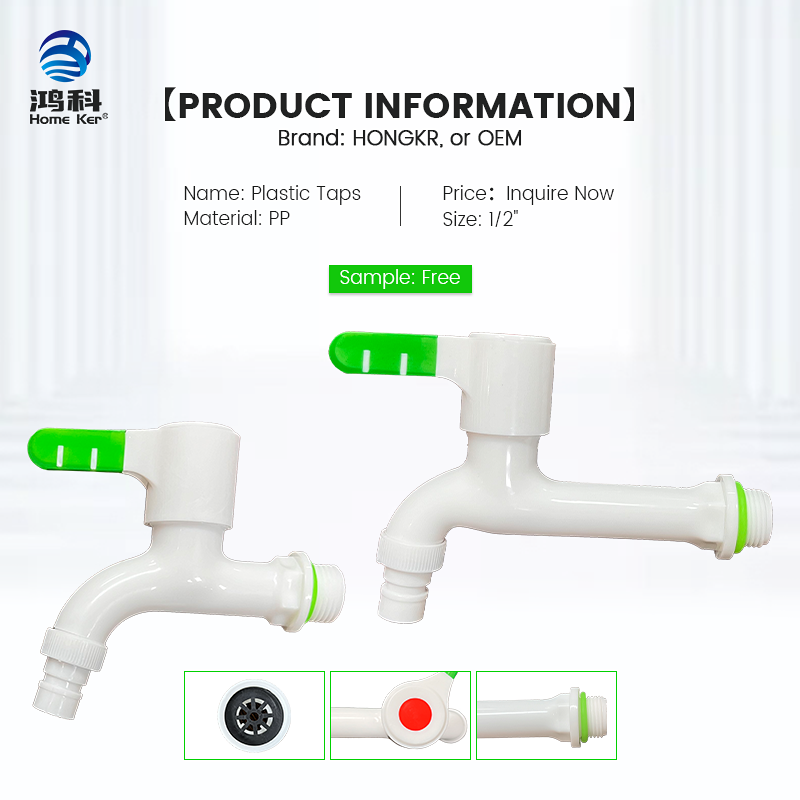
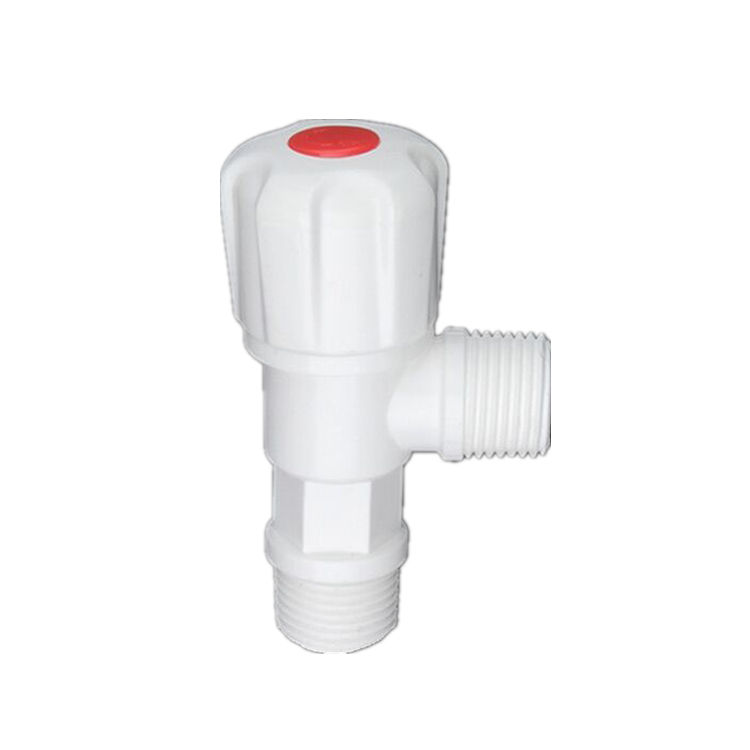
A PVC angle valve is a quarter-turn shut-off valve typically used to regulate water supply to fixtures like faucets, toilets, or appliances. Its L-shaped design allows for easy connection in confined areas, where straight valves might not fit. The “PVC” part refers to the material – polyvinyl chloride – which is a type of plastic known for its strength, flexibility, and resistance to chemicals. This makes it particularly suitable for both hot and cold water lines in residential and light commercial applications.
Unlike brass or stainless steel valves, which can be heavier and more prone to mineral buildup over time, a PVC angle valve offers a lightweight alternative that’s easier to install. For instance, if you’re working on a bathroom remodel, slipping in a PVC angle valve can save you time and effort. Models like the PVC angle valve 1/2 inch size are common, fitting standard half-inch pipes found in most homes. This size ensures compatibility with a wide range of plumbing systems, from kitchen sinks to outdoor hoses.
At our factory in Zhejiang, HONGKE Valves, we prioritize quality control, testing each valve for leaks and pressure tolerance. This attention to detail means you get a product that’s not just functional but built to last, reducing the need for frequent replacements.
Key Components and How They Work
Breaking it down further, a typical PVC angle valve consists of a body, handle, stem, and sealing mechanism. The body is molded from PVC, providing a sturdy shell that houses the internal parts. Turning the handle 90 degrees opens or closes the valve, allowing water to flow or stopping it entirely. This simple mechanism is what makes it user-friendly – no tools required for basic operation.
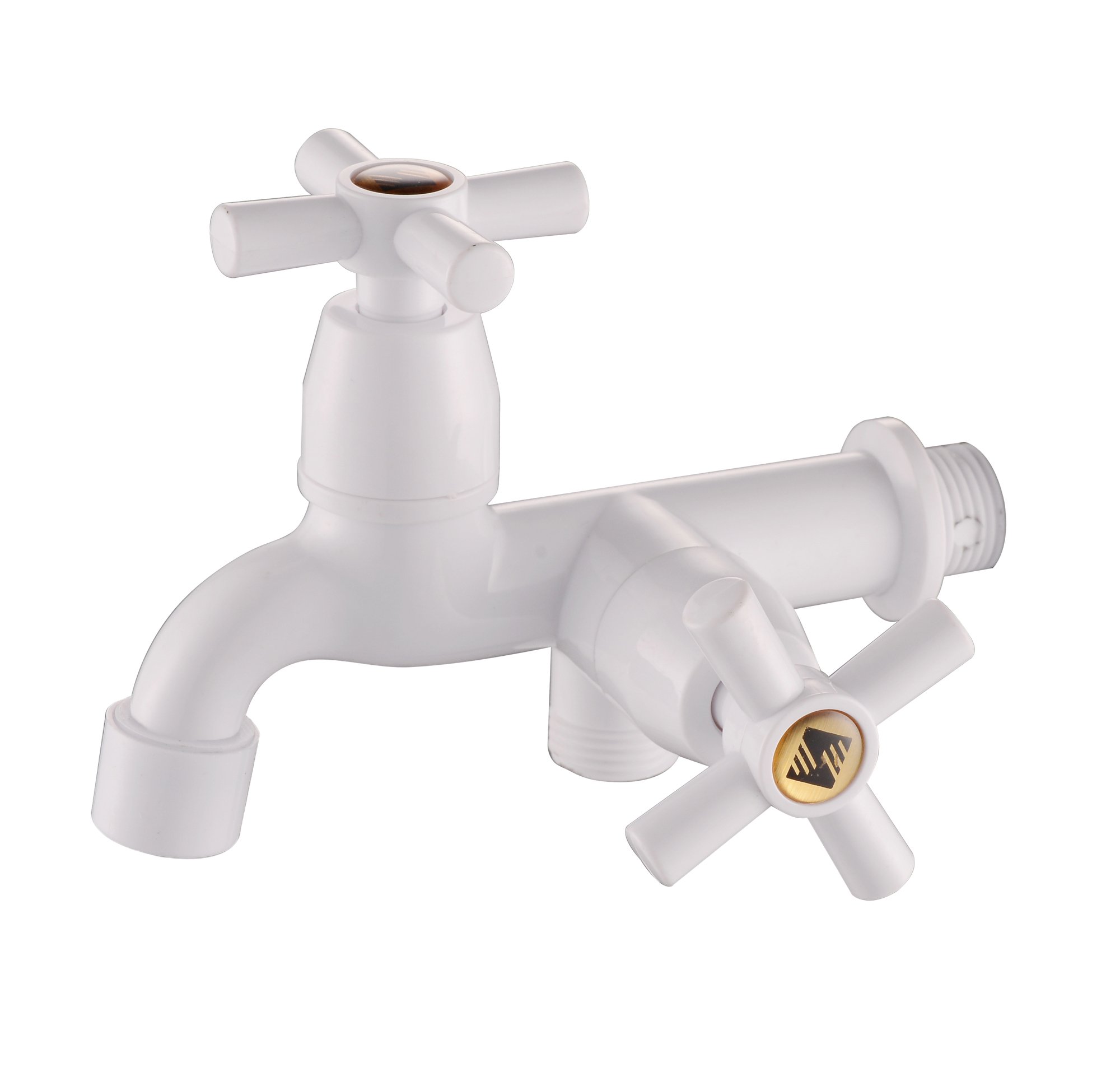
Inside, you’ll find a ball or compression-style seal that prevents leaks. For enhanced versatility, some designs incorporate dual outlets, which brings us to options like the 2 in 1 angle valve PVC. These models allow connection to two fixtures from one supply line, which is handy for spaces with multiple appliances. When considering the 2 in 1 angle valve PVC price, you’ll find it’s often more economical than buying separate valves, especially from reliable manufacturers like us at HONGKE.
Benefits of Choosing PVC Angle Valves
Durability and Longevity in Harsh Environments
One of the standout advantages of a PVC angle valve is its ability to withstand environmental challenges. PVC doesn’t corrode like metal, so it’s perfect for areas with high humidity or exposure to chemicals, such as laundry rooms or garden irrigation systems. Over time, this translates to fewer maintenance headaches and lower replacement costs.
In coastal regions where saltwater can wreak havoc on plumbing, opting for a PVC angle valve can extend the life of your entire system. Our HONGKE models are UV-resistant too, making them suitable for outdoor use without fading or cracking under sunlight. Users often report that these valves hold up for 10-15 years with proper care, far outpacing cheaper alternatives that might fail prematurely.
Cost-Effectiveness Without Compromising Quality
Budget is always a factor in plumbing decisions, and here’s where PVC shines. A standard PVC angle valve is typically 30-50% cheaper than brass equivalents, yet it delivers comparable performance for most household needs. When shopping around, keep an eye on the 2 in 1 angle valve PVC price – it often provides double the functionality at a fraction of the cost of two single valves.
For example, if you’re outfitting a new apartment building, bulk purchasing from Zhejiang HONGKE Valves Factory can lead to significant savings. We offer competitive pricing without skimping on materials, ensuring each valve meets rigorous standards. This value proposition is why many contractors turn to PVC options for large-scale projects.
Environmental and Health Considerations
Beyond cost and durability, PVC angle valves are lead-free and non-toxic, aligning with modern health regulations. They don’t leach harmful substances into water, making them safe for drinking water lines. Plus, PVC is recyclable, contributing to a greener footprint in your home improvement efforts.
Ease of Installation and Maintenance
Installing a PVC angle valve is straightforward, often requiring just a few tools like a wrench and some thread tape. No soldering needed, which reduces the risk of fire hazards during setup. For beginners, there are plenty of online tutorials – check out this guide from the Plumbing Manufacturers International for best practices.
Once in place, maintenance is minimal. A quick wipe-down and occasional check for leaks keep it in top shape. If you encounter issues, replacement parts are readily available and inexpensive.
Exploring Different Types and Sizes
Standard vs. Specialized Models
PVC angle valves come in various configurations to suit different needs. The basic single-outlet version is great for simple shut-offs, while multi-function ones add versatility. Take the prayag PVC angle valve, for instance – it’s a popular choice in some markets for its robust build and smooth operation, often compared to our HONGKE designs.
If space is tight, consider the PVC angle valve 1/2 inch, which fits snugly in compact areas. For those needing more, the 2 in 1 angle valve PVC combines two valves in one body, streamlining installations and potentially lowering the overall 2 in 1 angle valve PVC price.
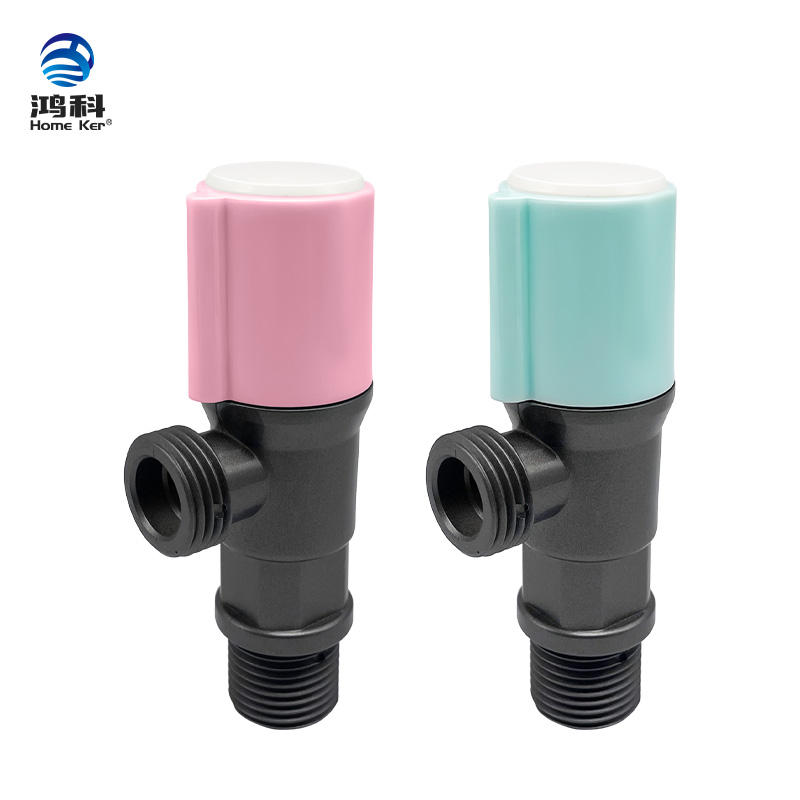
At HONGKE, we produce a range including threaded and compression-fit options, ensuring compatibility with PVC, CPVC, or even copper pipes via adapters.
Comparing Sizes: From 1/2 Inch to Larger Variants
The most common size is the PVC angle valve 1/2, ideal for residential faucets and toilets. Larger 3/4 inch models handle higher flow rates, suitable for showers or main lines. Choosing the right size prevents pressure drops and ensures efficient water delivery.
Innovations in Design
Modern PVC angle valves incorporate features like anti-siphon protection or quick-connect fittings. Some even have ergonomic handles for easier gripping, especially beneficial for elderly users or those with mobility issues.
For a deeper look into valve innovations, visit our product catalog or explore specific PVC valve options.
Factors to Consider When Buying
Material Quality and Certifications
Not all PVC is created equal. Look for valves certified by bodies like NSF or ISO, which guarantee safety and performance. At Zhejiang HONGKE Valves Factory, every batch undergoes third-party testing to ensure compliance.
Avoid subpar imports that might crack under pressure – investing in quality pays off in the long run.
Pricing and Value Analysis
The 2 in 1 angle valve PVC price can range from $5 to $15 depending on features and brand. Single models are even more affordable, starting at around $3. When budgeting, factor in longevity; a slightly pricier HONGKE valve might outlast cheaper ones by years.
For bulk orders, contact us directly at HONGKE sales page for custom quotes.
Warranty and Customer Support
A good warranty – like our 5-year coverage – provides peace of mind. Responsive customer service is key; we’re here to answer questions about installation or troubleshooting.
Installation Tips and Common Mistakes to Avoid
Step-by-Step Guide
- Shut off the main water supply.
- Remove old valve if replacing.
- Apply thread sealant to connections.
- Screw in the new PVC angle valve hand-tight, then use a wrench for a secure fit.
- Test for leaks by turning water back on slowly.
This process usually takes under 30 minutes. For visual aid, refer to industry resources like the American Society of Plumbing Engineers.
Troubleshooting Common Issues
If your valve leaks, check the seals or tighten fittings. Hard water buildup? Soak in vinegar solution. Preventive maintenance keeps problems at bay.
Why Choose Zhejiang HONGKE Valves Factory?
As a leading manufacturer in Zhejiang, China, HONGKE specializes in PVC plumbing components. Our factory employs state-of-the-art machinery and skilled workers to produce valves that exceed expectations. We’re committed to sustainability, using eco-friendly processes and materials.
Customers worldwide trust us for consistent quality and timely delivery. Whether you’re sourcing for retail or projects, our PVC angle valves deliver reliability you can count on.
In comparison to other brands like the prayag PVC angle valve, our products offer similar features with enhanced durability, thanks to proprietary molding techniques.
Frequently Asked Questions
How Do I Know If a PVC Angle Valve is Right for My System?
Assess your pipe material and pressure requirements. PVC works best for low to medium pressure applications.
What’s the Difference Between PVC and CPVC Angle Valves?
CPVC handles higher temperatures, but for standard use, PVC suffices and costs less.
Can I Use a PVC Angle Valve Outdoors?
Yes, if it’s UV-protected, like our models.
Conclusion: Upgrade Your Plumbing Today
Incorporating a PVC angle valve into your setup is a smart move for efficiency and savings. From the versatile PVC angle valve 1/2 to cost-effective 2 in 1 options, there’s something for every need. At Zhejiang HONGKE Valves Factory, we’re proud to offer products that blend quality with affordability.
Ready to make the switch? Browse our selection and experience the difference. Your plumbing will thank you.