
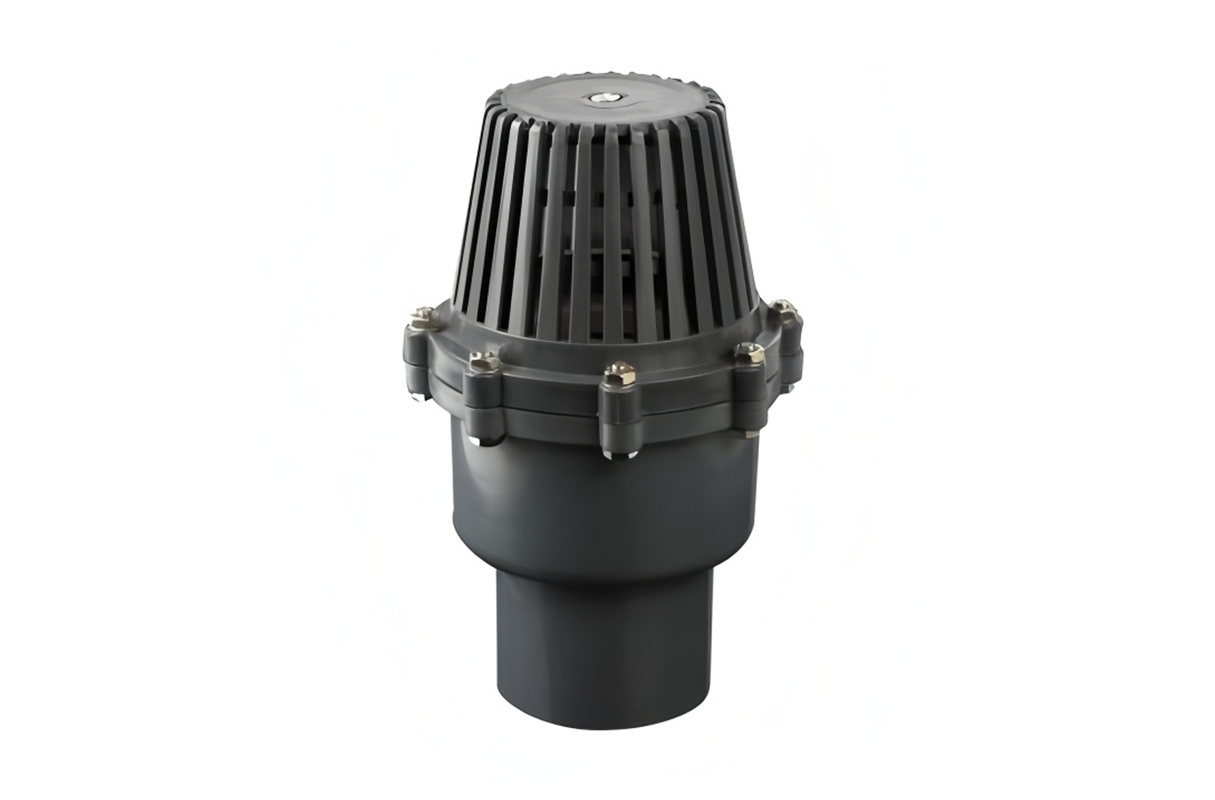

Introduction to PVC Foot Valves
In the world of water management and pumping systems, selecting the right components can make all the difference in efficiency and longevity. PVC foot valves stand out as essential devices that prevent backflow and maintain prime in pumps, ensuring smooth operation in various applications. Manufactured by Zhejiang HONGKE Valves Factory, these valves are crafted from high-grade PVC material with internal PP components, offering exceptional durability against corrosion and wear.
Whether you’re dealing with agricultural irrigation, residential water supply, or industrial fluid transfer, PVC foot valves provide a cost-effective solution. They come in sizes ranging from 3/4″ to 2″, and are available in multiple colors including white, gray, red, light blue, and dark blue to suit different aesthetic or functional needs. With options for spring-loaded or non-spring models, users can choose based on their specific pressure requirements.
This guide delves into the benefits, features, and practical uses of PVC foot valves, helping you make an informed decision for your setup.
Key Features of PVC Foot Valves
Material and Construction Benefits
PVC foot valves are engineered for robustness, utilizing full PVC exteriors paired with polypropylene (PP) internal parts. This combination ensures resistance to chemicals, UV exposure, and environmental degradation, making them suitable for outdoor and submerged applications. Unlike metal alternatives, PVC versions avoid rusting, which is a common issue in humid or saline environments.
The lightweight nature of PVC also simplifies handling and installation, reducing labor costs. Zhejiang HONGKE Valves Factory emphasizes quality control, ensuring each valve meets international standards for pressure tolerance and leak-proof performance.
Available Types and Sizes
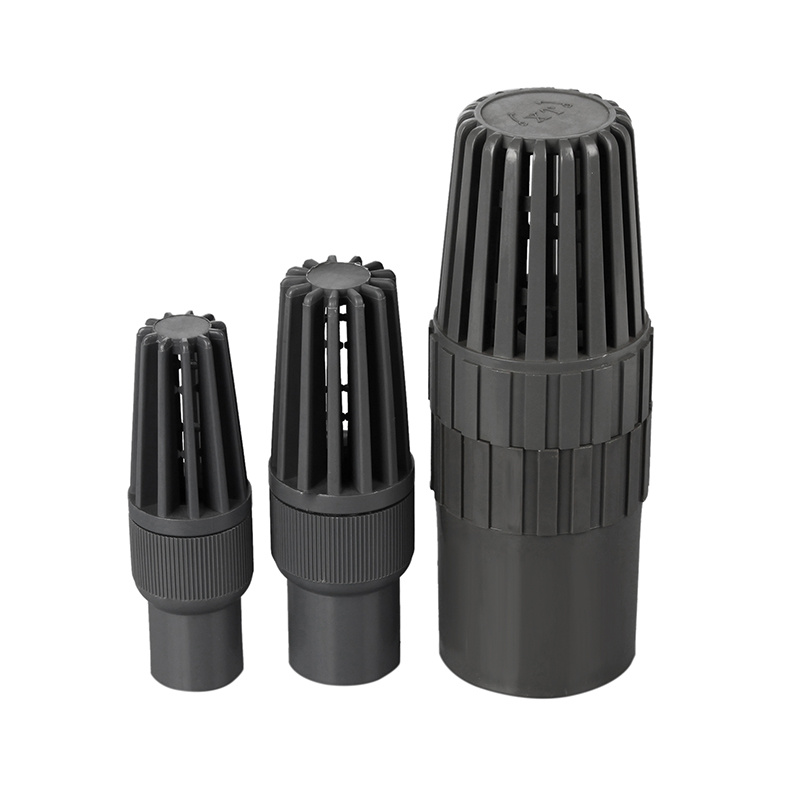
Users have the flexibility to select between two primary types: those with springs for enhanced sealing under varying pressures, and non-spring models for simpler, low-pressure scenarios. Both types maintain reliable check valve functionality, preventing water from draining back into the source.
Sizes from 3/4 inch to 2 inches cater to a wide range of pipe diameters, accommodating everything from small garden pumps to larger irrigation systems. The color variety—white for clean aesthetics, gray for industrial looks, red for high-visibility safety, and blues for aquatic-themed setups—allows customization without compromising functionality.
PVC foot valves in various colors Alt: High-quality PVC foot valves from HONGKE in multiple colors
Applications of PVC Foot Valves in Real-World Scenarios
PVC foot valves excel in diverse settings, particularly where water purity and system protection are paramount. For instance, in agricultural fields, these valves are indispensable for maintaining consistent water flow from wells or reservoirs.
Protecting Pumps with Integrated Strainers
One standout feature is the PVC foot valve with strainer, which incorporates a built-in mesh to filter out sediments, leaves, and other debris. This is crucial in preventing clogs that could damage pumps or reduce efficiency. Imagine an irrigation setup where the pump frequently gets jammed by fine sand from a well—opting for a PVC foot valve with strainer directly addresses this by acting as a first line of defense.
Farmers and landscapers often report extended pump life after switching to these strainer-equipped models. The strainer’s design allows easy cleaning, ensuring minimal downtime. Zhejiang HONGKE Valves Factory produces these with precision-molded strainers that balance flow rate and filtration effectiveness.
Ideal for Shallow Well Pumps
When it comes to specific uses, the PVC foot valve for shallow well pump applications is a top choice. Shallow wells, typically under 25 feet deep, require valves that can handle moderate suction without priming loss. These PVC variants are lightweight yet sturdy, perfect for portable or fixed shallow well pumps used in home gardens, small farms, or rural water supplies.
In such scenarios, the valve sits at the bottom of the intake pipe, ensuring the pump remains primed even during intermittent use. Users like hobby farmers or DIY enthusiasts appreciate how this setup minimizes air ingress, leading to quicker startups and less wear on the pump motor.
For more on shallow well systems, check this authoritative guide from the Water Systems Council.
Why Choose PVC Foot Valves Over Alternatives
Compared to brass or stainless steel options, PVC foot valves offer superior affordability without sacrificing performance. Their non-conductive properties make them safe for electrical pump integrations, and the material’s flexibility absorbs vibrations better, reducing the risk of cracks.
Environmental benefits are noteworthy too—PVC is recyclable, aligning with sustainable practices in water management. Zhejiang HONGKE Valves Factory sources eco-friendly materials, ensuring compliance with global regulations.
In terms of cost savings, these valves lower maintenance needs due to their resistance to scaling and biofouling. Over time, this translates to fewer replacements and repairs, making them a smart investment for long-term operations.
Performance in Harsh Conditions
Tested for pressures up to 150 PSI (depending on size), PVC foot valves perform reliably in both cold and warm climates. The spring-loaded versions provide a tighter seal in fluctuating pressure environments, while non-spring ones suffice for steady flows.
How to Install PVC Foot Valve: Step-by-Step Guide
Installation is straightforward, but following best practices ensures optimal results. This section covers how to install PVC foot valve, tailored for beginners and professionals alike.
Preparation and Tools Needed
Before starting, gather essentials: PVC primer and cement, pipe cutters, measuring tape, and safety gear like gloves. Ensure the pump is off and the system is depressurized.
Select the appropriate size—match the valve to your pipe diameter for a snug fit. For strainer models, inspect the mesh for any shipping damage.
Installation Steps
- Measure and Cut the Pipe: Determine the submersion depth, ensuring the valve will sit at least 1-2 feet above the well bottom to avoid sediment intake. Cut the intake pipe squarely.
- Apply Primer and Cement: Clean the pipe end and valve socket. Apply PVC primer to both, followed by cement. Insert the pipe into the valve quickly, twisting slightly for even distribution. Hold for 30 seconds to set.
- Attach to the Pump System: Connect the other end to the pump inlet. For shallow well setups, use thread tape on any threaded connections to prevent leaks.
- Test for Functionality: Submerge the assembly and prime the pump. Run a test cycle to check for backflow prevention and strainer efficiency.
Common pitfalls include over-tightening, which can crack the PVC, or neglecting to clean surfaces, leading to weak bonds. If issues arise, refer to our installation troubleshooting page for tips.
For visual learners, here’s a diagram of the process:
PVC foot valve installation diagram Alt: Step-by-step installation of PVC foot valves
Maintenance Tips After Installation
Regularly inspect the strainer for buildup—clean with a soft brush and water. In hard water areas, descale annually using mild vinegar solutions. Store spare parts from Zhejiang HONGKE Valves Factory for quick swaps.
Benefits for Specific User Groups
For Farmers and Irrigators
In irrigation, where downtime costs crops, PVC foot valves with strainer keep systems running smoothly. They filter out silt from rivers or ponds, protecting expensive pumps.
Explore our irrigation accessories catalog for complementary products.
For Homeowners and DIY Enthusiasts
Homeowners tackling well maintenance find the PVC foot valve for shallow well pump easy to handle. Its colors can even match outdoor decor, blending functionality with style.
If you’re new to this, our beginner’s guide to well pumps offers more insights.
Industrial and Commercial Uses
Larger sizes suit commercial tanks, ensuring consistent fluid levels in processing plants. The non-corrosive build handles mild chemicals effectively.
Common Questions About PVC Foot Valves
What Makes PVC Better Than Metal?
PVC resists corrosion and is lighter, ideal for frequent handling.
Can These Valves Handle High Pressure?
Yes, up to 150 PSI, but always check specifications.
How Often Should the Strainer Be Cleaned?
Monthly in debris-heavy environments, quarterly otherwise.
Conclusion: Invest in Quality PVC Foot Valves Today
PVC foot valves from Zhejiang HONGKE Valves Factory represent reliability and innovation in water control. By incorporating features like integrated strainers and versatile designs, they address common challenges in pumping systems. Whether for a PVC foot valve with strainer to combat debris or a PVC foot valve for shallow well pump to simplify home use, these products deliver value.
Understanding how to install PVC foot valve empowers users to maintain their systems efficiently. With proper selection and care, expect years of trouble-free service. Ready to upgrade? Visit our product page for details and orders.


