

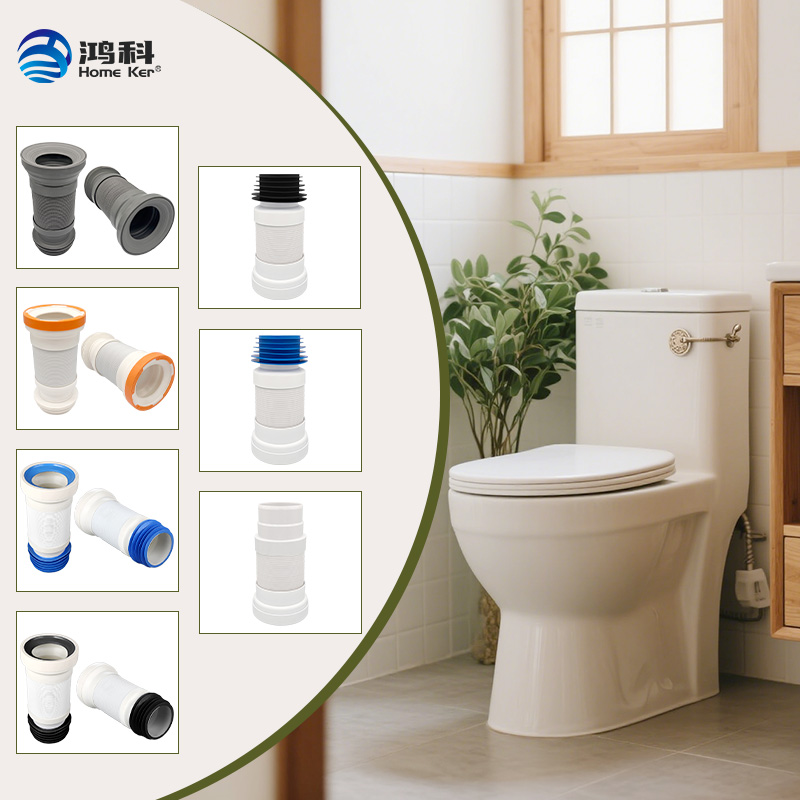
When it comes to bathroom renovations or repairs, one component often overlooked but absolutely crucial is the pan connector. This small yet vital piece bridges the gap between your toilet and the waste pipe, ensuring everything flows smoothly without unwanted surprises like leaks or backups. In this in-depth guide, we’ll explore everything you need to know about selecting and installing the right pan connector, with insights drawn from industry best practices and products from trusted manufacturers like Zhejiang HONGKE Valves factory. Whether you’re a DIY enthusiast or a professional plumber, understanding this element can save you time, money, and frustration.
Understanding Pan Connectors
Pan connectors play a pivotal role in modern plumbing systems, acting as the link that connects the toilet outlet to the drainage pipe. Without a properly fitted one, even the most stylish bathroom setup could face functional issues. Let’s break down the basics to help you appreciate why investing in a quality pan connector is essential.
What is a Pan Connector?
At its core, a pan connector is a specialized pipe fitting designed specifically for toilets. It attaches to the back or base of the toilet pan and extends to the soil pipe, allowing waste to be directed away efficiently. These connectors come in various shapes and materials, typically made from durable plastics like PVC or polypropylene to resist corrosion and wear over time. For instance, products from Zhejiang HONGKE Valves factory emphasize high-grade materials that ensure longevity and reliability in diverse installation scenarios.
Unlike standard plumbing pipes, pan connectors are engineered to accommodate slight misalignments between the toilet and the drain, making them indispensable in both new builds and retrofits. They often feature seals or rings that create a watertight connection, preventing odors and water from escaping. If you’re dealing with an older home where pipes might not align perfectly, opting for a versatile pan connector can make all the difference.
The Importance of a Pan Connector in Your Plumbing System
Why bother with the specifics of a pan connector? Simply put, it prevents common plumbing nightmares. A poorly chosen or installed connector can lead to persistent leaks, which not only waste water but also cause structural damage to floors and walls over time. According to plumbing experts, a well-fitted pan connector enhances the overall efficiency of your waste disposal system, reducing the risk of blockages and ensuring compliance with building codes.
Moreover, in regions with varying building standards, such as those in the US or Europe, selecting a connector that meets local regulations is key. For example, Zhejiang HONGKE Valves factory produces options that align with international quality benchmarks, offering peace of mind for global users. By prioritizing this component, you’re investing in the long-term health of your bathroom infrastructure, potentially avoiding costly repairs down the line.
Types of Pan Connectors: Finding the Right Fit
The market offers a range of pan connector types, each suited to different installation needs. Knowing the differences can help you avoid mismatches and ensure a smooth setup. Here, we’ll cover the most common varieties, including those with flexible features and specific sizing like 4-inch models.
Straight Pan Connectors
Straight pan connectors are the simplest option, ideal for situations where the toilet outlet aligns directly with the waste pipe. These rigid designs provide a straightforward connection without bends or adjustments. They’re commonly used in standard bathroom layouts and are appreciated for their stability and minimal risk of kinking. If your plumbing is perfectly aligned, a straight pan connector from a reputable source like Zhejiang HONGKE Valves can offer robust performance with easy installation.
Offset Pan Connectors
For installations where there’s a slight horizontal or vertical misalignment—say, up to 20-40mm—an offset pan connector is your go-to choice. These feature a built-in bend or extension that compensates for the gap, making them perfect for retrofitting older toilets or adjusting to uneven flooring. Plumbers often recommend them for back-to-wall toilets, where space constraints demand precision. Look for models with adjustable offsets to fine-tune the fit during setup.
Flexible Pan Connectors
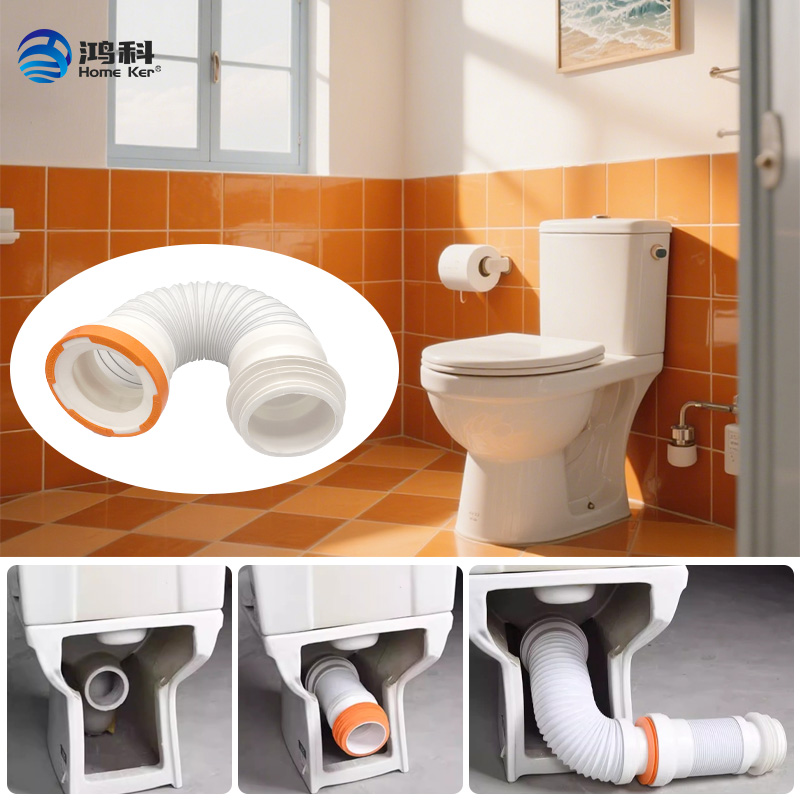
Flexible pan connectors stand out for their adaptability, allowing for greater movement and adjustment during installation. This type is particularly useful in tight spaces or when dealing with non-standard pipe positions, as the flexible material can bend without compromising the seal. FLEXIBLE designs, such as those extending from 200mm to 700mm, provide the versatility needed for challenging renovations. They’re manufactured to withstand repeated flexing while maintaining a secure, leak-proof connection, making them a favorite among DIYers and pros alike.
4-Inch Pan Connectors
Size matters in plumbing, and 4-inch pan connectors are a standard choice for many modern systems, offering compatibility with common soil pipe diameters. These connectors ensure ample flow capacity, reducing the chance of clogs in high-usage bathrooms. Whether straight or offset, a 4-inch model provides the robustness required for residential or commercial applications. For example, combining a 4-inch size with flexible elements can handle offsets up to several inches, ideal for custom setups.
In addition to these, some advanced options include swan neck or angled variants for even more specialized needs. Always measure your existing setup before purchasing to match the inlet and outlet sizes accurately.
Benefits of Using a Flexible Pan Connector
Opting for a FLEXIBLE pan connector brings several advantages that go beyond basic functionality. First, their ability to adapt to misalignments simplifies the installation process, often eliminating the need for extensive pipe modifications. This can cut down on labor costs and time, especially in older homes where plumbing layouts may have shifted over the years.
Durability is another key benefit. High-quality flexible connectors, like those produced by Zhejiang HONGKE Valves factory, use reinforced materials that resist cracking under pressure or from temperature changes. They also incorporate stainless steel clamps or shields for added rigidity, ensuring the connection holds up against daily use. Environmentally, these connectors promote water conservation by minimizing leaks, aligning with sustainable plumbing practices.
Furthermore, for those dealing with compact bathrooms, a flexible toilet pan connector allows for creative positioning of fixtures without compromising on performance. Users report fewer maintenance issues, as the flexibility reduces stress on joints that could otherwise lead to failures.
Step-by-Step Installation Guide for Pan Connectors
Installing a pan connector doesn’t have to be intimidating. With the right tools and approach, you can achieve a professional result. Below is a detailed guide, focusing on a typical flexible or 4-inch setup.
Preparing for Installation
Before starting, gather essential tools: a hacksaw or pipe cutter, lubricant (like silicone grease), a screwdriver, measuring tape, and safety gear such as gloves. Turn off the water supply and flush the toilet to empty the tank. Remove the old connector if replacing one, carefully disconnecting it from both the pan and the waste pipe.
Measure the distance between the toilet outlet and the soil pipe to confirm your pan connector’s length. For a 4-inch flexible model, ensure it can extend or compress as needed.
Fitting the Pan Connector
Begin by applying lubricant to the seals on both ends of the connector. Insert one end into the waste pipe outlet, pushing firmly until it’s seated. If using a flexible version, adjust the angle as required. Then, align the other end with the toilet pan spigot and push it on securely—avoid twisting to prevent damaging the seals.
For offset or angled connectors, double-check the alignment to ensure no kinks form. Secure any clamps or rings provided, tightening them evenly with a screwdriver.
Testing and Final Checks
Once fitted, reconnect the water supply and flush several times to test for leaks. Inspect all joints visually and with a dry cloth. If everything holds, position the toilet fully and secure it to the floor using screws and washers. For added assurance, consider applying a bead of silicone sealant around the base.
If issues arise, such as misalignment, a toilet pan connector with adjustable features can often resolve them without starting over.
Common Installation Mistakes to Avoid
One frequent error is over-tightening clamps, which can distort the connector. Another is neglecting lubrication, leading to difficult fittings or tears in seals. Always follow manufacturer guidelines, such as those from Zhejiang HONGKE Valves, to sidestep these pitfalls.
Choosing the Right Pan Connector from Zhejiang HONGKE Valves
As a leading supplier based in Zhejiang, China, HONGKE Valves factory specializes in high-performance plumbing components, including a wide array of pan connectors. Their products emphasize innovation, with options like reinforced flexible models that meet stringent quality standards. Whether you need a standard straight connector or a customizable 4-inch variant, their catalog caters to diverse needs.
For more details on their flexible pan connector range, visit their product page here. If you’re interested in bulk orders or custom solutions, check out their valves section here. For authoritative advice on plumbing fittings, refer to this external resource from Drainage Pipe UK on selecting connectors How to Choose the Right Pan Connector
Maintenance Tips for Long-Lasting Performance
To maximize the lifespan of your pan connector, regular maintenance is key. Inspect connections annually for signs of wear, such as cracks or loose seals. Clean the area around the connector to prevent buildup that could cause blockages.
If you notice odors or slow drainage, it might indicate a seal failure—replace the connector promptly. For flexible types, avoid excessive bending post-installation to preserve integrity. Using eco-friendly cleaners helps maintain material quality without degradation.
In high-humidity environments, opt for corrosion-resistant models from suppliers like Zhejiang HONGKE Valves to extend service life.
Conclusion: Elevate Your Bathroom with the Ideal Pan Connector
In summary, the pan connector is more than just a fitting—it’s the foundation of a functional toilet system. By choosing a reliable option, such as a flexible or 4-inch model from Zhejiang HONGKE Valves factory, you ensure efficiency, durability, and ease of installation. Whether upgrading your home or tackling a repair, prioritize quality to avoid future headaches.
Ready to get started? Explore more options on their site Zhejiang HONGKE Valves Products. With the right pan connector, your bathroom will not only look great but perform flawlessly for years to come.


