

PVC piping systems are widely used in residential, commercial, and industrial applications due to their durability, corrosion resistance, and affordability. However, like any plumbing infrastructure, they require regular upkeep to function efficiently and avoid unexpected failures. Learning how to maintain PVC piping system is crucial for homeowners, facility managers, and DIY enthusiasts alike. Proper maintenance not only prolongs the life of your pipes and valves but also saves money on repairs and replacements.
In this guide, we’ll explore essential techniques, drawing from years of expertise at Zhejiang HONGKE Valves Factory, a leading manufacturer in China specializing in high-quality PVC valves and fittings. Whether you’re dealing with a new installation or an aging setup, these insights will help you keep everything running smoothly. We’ll cover preventive measures, common repairs, and specialized care for environmental challenges, ensuring your system remains reliable.
Understanding PVC Piping Systems
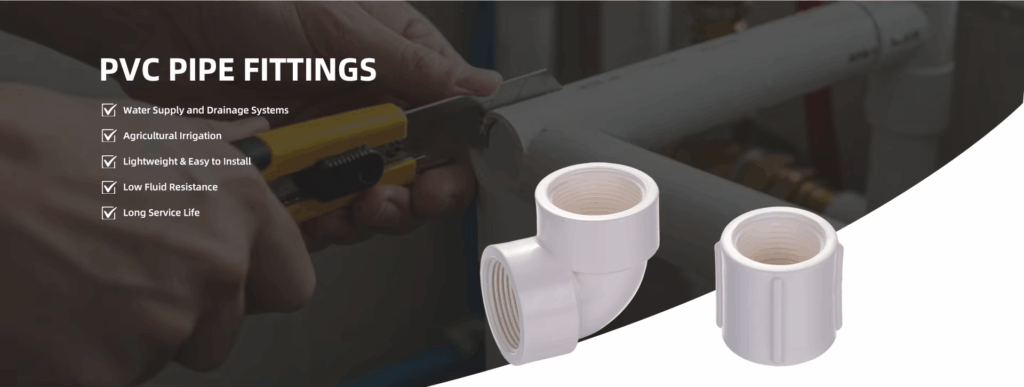
Before diving into maintenance, it’s important to grasp the basics of PVC components. Polyvinyl chloride (PVC) pipes are lightweight, easy to install, and resistant to chemicals, making them ideal for water supply, drainage, irrigation, and even chemical transport. Valves, such as ball valves, gate valves, and check valves, control flow and pressure within the system.
Key advantages include low thermal conductivity, which helps in temperature regulation, and smooth interiors that reduce friction and buildup. However, PVC can become brittle over time if exposed to extreme temperatures or UV light, emphasizing the need for consistent care. By understanding these properties, you’ll better appreciate why knowing how to maintain PVC piping system involves both visual checks and proactive interventions.
At Zhejiang HONGKE Valves Factory, we produce valves designed for longevity, with features like reinforced seals and ergonomic handles. Regular maintenance ensures these components perform at their best, preventing issues like leaks or blockages that could disrupt your operations.
Preventive Maintenance and Routine Inspections
One of the most effective ways to ensure the longevity of your setup is through preventive maintenance. This approach involves scheduled checks to identify potential problems before they escalate. Routine inspections form the backbone of this strategy, helping you catch wear and tear early.
PVC Pipe and Valve Inspection Checklist
To make inspections straightforward, use a structured PVC pipe and valve inspection checklist. This tool guides you through key areas, ensuring nothing is overlooked. Start by visually examining all accessible pipes for cracks, discoloration, or signs of stress. Check joints and fittings for looseness, as vibrations from water flow can cause them to shift over time.
Next, inspect valves for smooth operation—turn handles to ensure they open and close without resistance. Look for corrosion on metal components if any are present in hybrid systems. Test for leaks by running water and observing connections. Measure pressure levels if possible, using a gauge to confirm they’re within recommended ranges (typically 40-80 PSI for residential systems).
Include environmental factors in your checklist: Are pipes insulated against cold? Is there exposure to sunlight that could degrade the material? Document findings in a log for tracking changes. Performing this PVC pipe and valve inspection checklist monthly or quarterly, depending on usage, can prevent major failures and extend system life by up to 20-30 years.
For more detailed checklists, consider linking to our internal resource on PVC Installation Best Practices or explore advanced tools via Valve Maintenance Toolkit.
Common Issues and Repairs
Even with diligent upkeep, issues can arise. Addressing them promptly is key to minimizing damage. Leaks, blockages, and valve malfunctions are among the most frequent problems.
Repairing a Leaking PVC Ball Valve
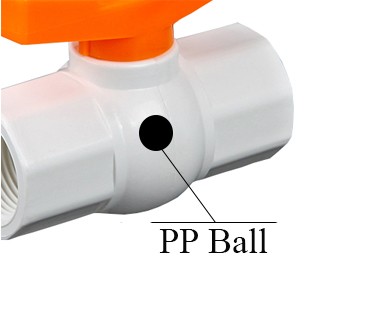
A leaking PVC ball valve is a common emergency that demands quick action. This issue often stems from worn seals, loose connections, or debris buildup. To begin repairing a leaking PVC ball valve, shut off the water supply and drain the line to relieve pressure.
Disassemble the valve carefully—unscrew the handle and remove the ball mechanism. Inspect the O-rings or gaskets for cracks or flattening; replace them with compatible parts from a reliable supplier like Zhejiang HONGKE Valves Factory. If the leak is at the union joints, tighten them or apply fresh thread tape.
For severe cases, such as a cracked body, full replacement might be necessary. Clean all parts with a mild solvent before reassembly, and test the valve under pressure post-repair. This process not only stops the leak but also restores efficiency. Always wear gloves and eye protection during repairs to avoid injury.
If you’re unsure, consult a professional, but mastering repairing a leaking PVC ball valve can save hundreds in service calls. For step-by-step videos, check our Repair Tutorials.
Seasonal Maintenance
Environmental factors play a significant role in PVC system health. Seasonal changes can introduce unique challenges, requiring tailored strategies.
Winterizing or Preventing Algae in PVC Systems
In colder climates, winterizing or preventing algae in PVC systems is essential to avoid freezes and biological growth. For winterizing, insulate exposed pipes with foam sleeves and drain outdoor lines completely. Install heat tapes on vulnerable sections to maintain above-freezing temperatures.
Algae prevention is critical in systems exposed to sunlight, like pools or irrigation setups. Use UV-resistant covers or bury pipes where possible. Add algaecides if water stagnates, but opt for eco-friendly options to comply with regulations. Regularly flush the system to remove nutrients that fuel algae.
Combining these steps in your routine addresses both cold snaps and warm-weather woes. Winterizing or preventing algae in PVC systems ensures year-round reliability, especially in variable environments.
Safety Precautions
Safety is paramount when learning how to maintain PVC piping system. Always isolate the system before work—turn off mains and use lockout tags. Wear protective gear to guard against chemicals or sharp edges. If dealing with pressurized lines, release pressure gradually to prevent bursts.
Be mindful of electrical hazards near water and avoid using power tools in wet areas. For chemical exposures, ensure ventilation and follow material safety data sheets. Training in basic first aid can be invaluable.
Advanced Tips for Long-Term Durability
Beyond basics, consider integrating smart monitoring. Install sensors for real-time leak detection or pressure alerts. Periodically pressure-test the entire system to uncover hidden weaknesses.
Chemical compatibility is another factor—ensure fluids match PVC ratings to avoid degradation. In industrial settings, schedule professional audits annually.
At Zhejiang HONGKE Valves Factory, we emphasize innovation, producing valves with enhanced UV resistance for outdoor use. These advanced features complement your efforts in how to maintain PVC piping system.
Cost-Saving Benefits of Regular Maintenance
Proactive care yields financial rewards. By following a PVC pipe and valve inspection checklist, you can avoid emergency repairs costing thousands. Energy efficiency improves with unclogged lines, reducing utility bills.
Long-term, well-maintained systems require fewer replacements, promoting sustainability. Calculate savings: A simple valve repair might cost $50 DIY versus $300 professionally.
Case Studies from Real Users
Homeowners in California report extending irrigation system life by 10 years through routine checks. A commercial facility in Texas fixed a leaking valve promptly, preventing water damage worth $5,000.
These examples highlight the practical impact of mastering repairing a leaking PVC ball valve and other techniques.
Frequently Asked Questions
Q: How often should I inspect my PVC system? A: Monthly for high-use areas, quarterly otherwise.
Q: Can PVC pipes freeze? A: Yes, but proper winterizing prevents bursts.
Q: What’s the best way to clean algae? A: Flush with diluted bleach, followed by thorough rinsing.
Conclusion
Mastering how to maintain PVC piping system empowers you to safeguard your investment against common pitfalls. From using a PVC pipe and valve inspection checklist for preventive care to tackling repairs like repairing a leaking PVC ball valve, and addressing seasonal needs such as winterizing or preventing algae in PVC systems, this guide provides actionable insights.
As experts at Zhejiang HONGKE Valves Factory, we recommend consistency and quality components for optimal results. Implement these strategies today to enjoy a reliable, efficient system for years to come. For personalized advice, visit our Contact Page.


