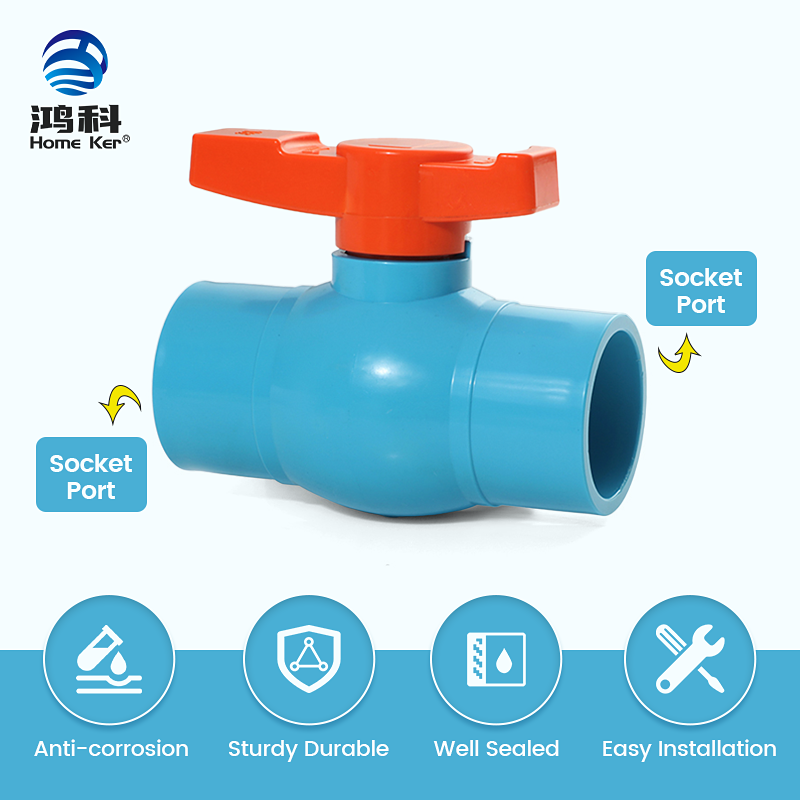

In the competitive world of water system engineering, selecting the right valve material is a high-stakes decision. For years, brass and stainless steel were the default choices. However, the rise of the PPR Ball Valve has shifted the landscape, offering a high-performance, cost-effective alternative that excels in modern plumbing.
At HONGKE (Zhejiang Hongke Valve Co., Ltd), we bring 17+ years of manufacturing expertise to the table. As a factory-integrated supplier, we’ve seen firsthand why global distributors are moving away from metal and toward PPR. Here is a deep dive into why this shift is happening and how our flexible supply model can benefit your business.
Comparative Analysis: Why PPR Outperforms Metal
When evaluating procurement value, one must look beyond the initial unit cost. The PPR Ball Valve offers several distinct advantages over its metal counterparts:
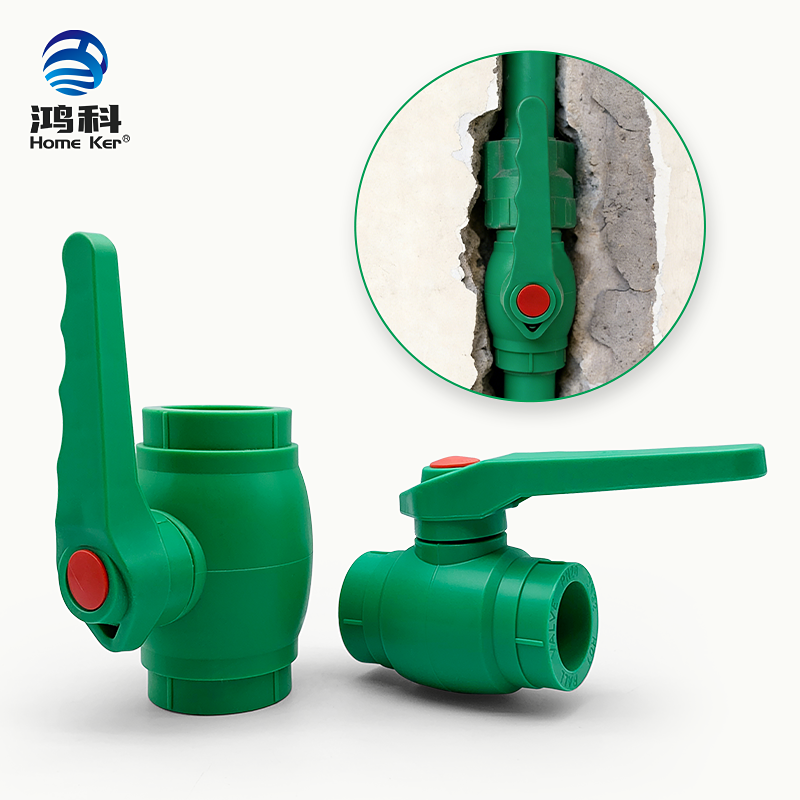
- Corrosion & Scale Resistance: Metal valves, particularly brass, are prone to “dezincification” and lime-scale buildup over time. PPR is chemically inert; it will never rust, pit, or corrode, ensuring the valve remains operational for decades.
- Cost Stability: The price of copper and steel fluctuates wildly with global markets. PPR resins offer much more price stability, allowing wholesalers to maintain consistent margins.
- Leak-Proof Integrity: Unlike threaded metal connections that rely on tapes or sealants, PPR valves are heat-fused to the pipes. This creates a monolithic, molecular bond that is virtually impossible to leak.
- Lightweight Logistics: PPR is significantly lighter than metal, which reduces shipping costs—a critical factor for international PPR Ball Valve bulk orders.
Application Scenarios: Where PPR Shines
Understanding the specific environment is key to a successful installation. Our PPR valves are optimized for a variety of high-demand scenarios:
1. Potable Drinking Water Systems
Safety is non-negotiable for human consumption. Our PPR material is food-grade and non-toxic. Unlike some metal alloys that can leach lead or other heavy metals into the water stream, PPR ensures that the water remains as pure at the tap as it was at the source.
2. Hot and Cold Water Versatility
While we focus on ambient water solutions, high-quality PPR is naturally resistant to thermal stress. It has low thermal conductivity, which prevents energy loss in hot water lines and reduces the “sweating” (condensation) common on metal valves in cold water systems.
3. Outdoor and Agricultural Use
PPR is exceptionally durable in outdoor environments. It withstands UV exposure better than many other plastics and remains unaffected by the soil chemicals and fertilizers often found in agricultural irrigation setups.
Why HONGKE is Your Strategic Partner
Choosing HONGKE means choosing the efficiency of a factory-direct relationship. We solve the most common pain points for small to medium-sized wholesalers:
- Low Entry Barrier (5-Carton MOQ): We don’t believe in forcing massive stock on our partners. With a low MOQ of just 5 cartons per size, you can test new markets or maintain a lean inventory without financial strain.
- Short Production Cycles: As an integrated manufacturer, we control the timeline. We pride ourselves on short lead times, ensuring you never lose a contract due to supply delays.
- Engineering Reliability: Our valves are “Strong & Durable,” designed to handle the rigors of professional water systems. We provide the technical peace of mind that comes with nearly two decades of industrial manufacturing.
Conclusion: Secure Your Supply Chain with HONGKE
The transition to PPR Ball Valves is a logical step for any business looking to balance quality with cost-efficiency. By partnering with HONGKE, you gain a supplier that understands technical excellence and commercial flexibility.
Are you ready to evaluate our quality for yourself? Contact our sales team today for a technical consultation or to request a wholesale quote based on our 5-carton MOQ.
People Also Ask (FAQ)
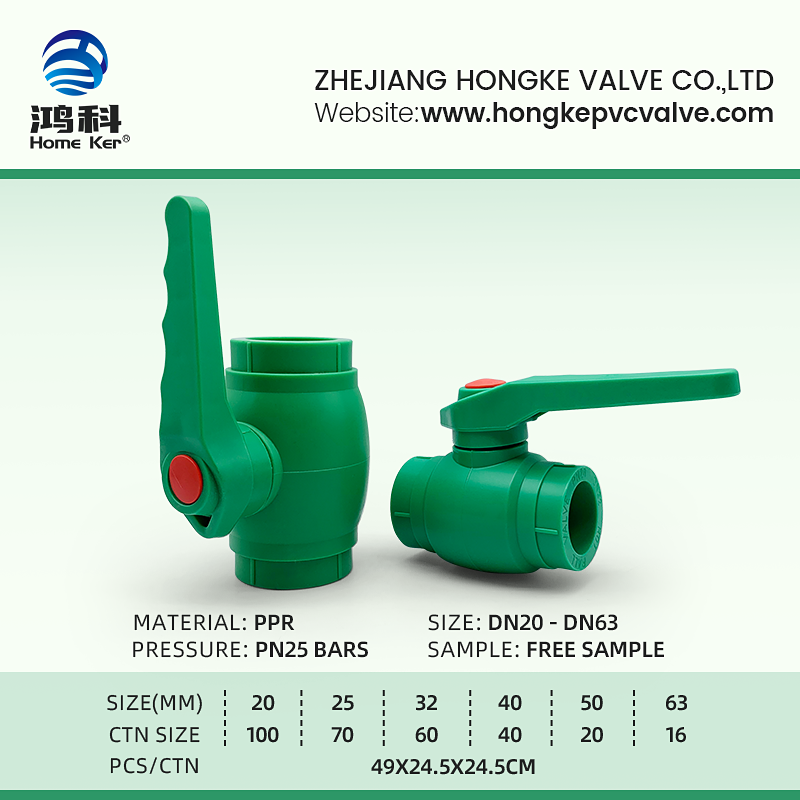
Q: Is a PPR Ball Valve strong enough for high-pressure water systems? A: Absolutely. Our PPR valves are designed to match the PN20 and PN25 pressure ratings of the pipes they are connected to. When heat-fused correctly, the joint becomes the strongest part of the system.
Q: Can I use PPR valves for outdoor garden irrigation? A: Yes. PPR is highly resistant to environmental degradation and agricultural chemicals. It is a popular choice for outdoor water systems because it won’t rust and offers easy installation.
Q: Why does HONGKE offer a lower MOQ than other Chinese factories? A: We understand that global distributors need to manage cash flow. By offering a 5-carton MOQ per size, we allow our partners to stock a wider variety of dimensions without a large upfront investment.
Q: Does PPR leach chemicals into drinking water? A: No. High-quality PPR is a non-polar material that is chemically stable and non-toxic, making it one of the safest materials available for potable water distribution.