
In demanding industrial environments—such as chemical processing, electroplating, and commercial hot water systems—standard plumbing components often face premature failure. When the media is either scalding hot or chemically aggressive, the material of your valves becomes the thin line between operational success and a catastrophic leak.
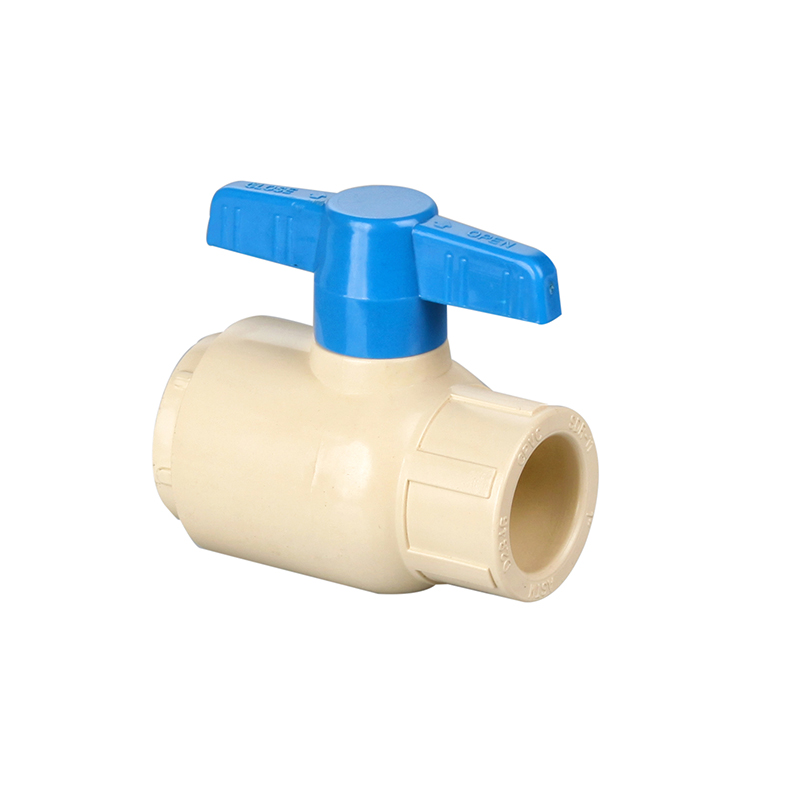
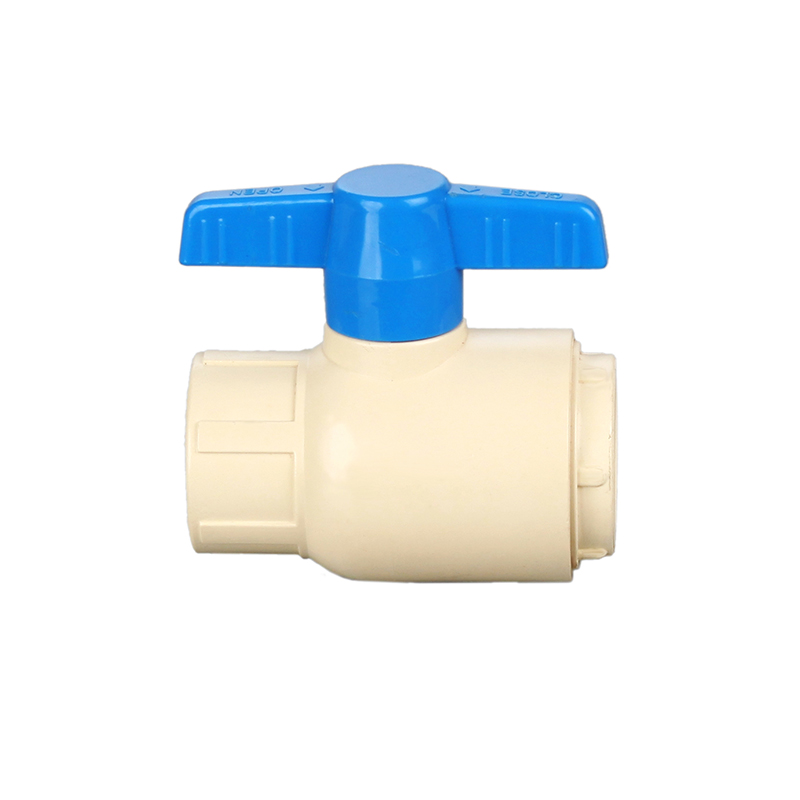
For these specific “harsh” applications, the cpvc union ball valve is the engineered solution of choice. By combining the superior thermal properties of Chlorinated Polyvinyl Chloride (CPVC) with the maintenance-friendly “union” design, this valve provides a reliable, long-term solution for systems that would destroy ordinary PVC.
As a factory-integrated leader with 17 years of manufacturing expertise, HONGKE (Zhejiang Hongke Valve Co., Ltd.) provides the high-volume supply and technical rigor required to secure these critical infrastructures.
1. Why CPVC is Mandatory for “Hot” and “Corrosive” Applications
Standard PVC is a marvel for cold water irrigation, but it loses structural integrity rapidly as temperatures climb. The cpvc union ball valve is designed to thrive where PVC fails.
Superior Thermal Thresholds
While standard PVC begins to soften at 60°C (140°F), CPVC is engineered to handle temperatures up to 93°C (200°F). This makes it the standard for:
- Hot Water Systems: Commercial boilers and industrial heat exchangers.
- Fire Protection: Systems where pipe integrity must be maintained under heat stress.
- Potable Hot Water: Safe, non-toxic transport of hot drinking water.
Chemical and Corrosion Resilience
In sectors like electroplating and chemical manufacturing, valves are constantly exposed to acids, bases, and salts. CPVC’s reinforced molecular structure provides a level of chemical inertness that prevents the “pitting” or brittle-cracking seen in lesser materials.
2. Technical Comparison: Material Performance
To understand why your system requires a cpvc union ball valve, consider the following performance metrics:
| Feature | Standard PVC Valve | CPVC Union Ball Valve | Application Impact |
| Max Operating Temp | 60°C (140°F) | 93°C (200°F) | Essential for hot water/chemical heat. |
| Chemical Resistance | Moderate | High (Acids/Alkalines) | Prevents degradation in electroplating. |
| Structural Design | Often Fixed/Molded | True Union (Removable) | Allows maintenance without cutting pipe. |
| Corrosion Risk | Low (Corrosion-proof) | Inert (Superior) | Ideal for high-salinity or acidic media. |
| Pressure Rating | Up to 1.0 MPa | Up to 1.6 MPa | Sustains integrity under industrial load. |
3. The Union Advantage: Maintenance Without Downtime
In the chemical and electroplating industries, downtime is expensive. The “True Union” design of our cpvc union ball valve allows for the central body of the valve to be removed from the pipeline by simply unscrewing the two union nuts.
This means you can replace internal seals or clean the ball without cutting into the plumbing system. For systems carrying corrosive media that may require periodic inspection, this design feature saves hours of labor and significantly reduces system downtime.
4. Why Partner with HONGKE for Your CPVC Procurement?
When sourcing components for high-risk applications like chemical processing or fire protection, the reliability of your supplier is as important as the valve itself.
Factory-Direct Quality Control
As an Industry and Trade Integrated manufacturer, HONGKE oversees every stage of the CPVC molding process. We ensure that our CPVC resin is high-purity and UV-stabilized, meeting the rigorous standards required for industrial and potable water applications.
Scalability for Global Projects (3000 PCS MOQ)
We specialize in serving the high-volume B2B sector. Our 3000 PCS MOQ per size ensures that we can maintain a dedicated production line for your order, guaranteeing dimensional consistency and pressure-tested reliability (1.0-1.6MPa) across every unit.
17 Years of Industrial Expertise
With over 300 global clients, HONGKE understands the international standards required for chemical and hot water infrastructure. We provide the documentation and technical support necessary to ensure your procurement meets local safety and performance regulations.
Conclusion: Protect Your Infrastructure with CPVC
If your system involves heat, aggressive chemicals, or the need for frequent maintenance, the cpvc union ball valve is the only logical investment. Don’t risk the safety and efficiency of your operations with sub-par materials.
Partner with HONGKE to secure industrial-grade CPVC solutions at a factory-direct scale.
Ready to secure your high-temperature system? [Contact HONGKE Today for a Bulk Quote and Technical Datasheet]
People Also Ask (FAQ)
Q: Can a cpvc union ball valve be used in fire protection systems? A: Yes, CPVC is frequently used in fire sprinkler systems due to its superior heat resistance compared to standard PVC. However, always ensure the specific valve meets your local fire safety certifications and pressure requirements.
Q: Why is the “Union” design important for chemical systems? A: Corrosive chemicals can eventually wear down even the best seals. A union design allows you to “pop” the valve out of the line for maintenance or seal replacement without having to cut and re-glue the pipes, saving significant time and money.
Q: What is the lead time for a 3000 PCS order? A: As a factory-direct manufacturer, our lead times are highly competitive. Once technical specifications are confirmed, our automated lines ensure efficient production. Contact our sales team for a specific timeline based on your region.
Q: Is CPVC safe for drinking water (potable water) systems? A: Yes. High-quality CPVC is lead-free and non-toxic, making it an excellent choice for both cold and hot potable water distribution in residential and commercial buildings.