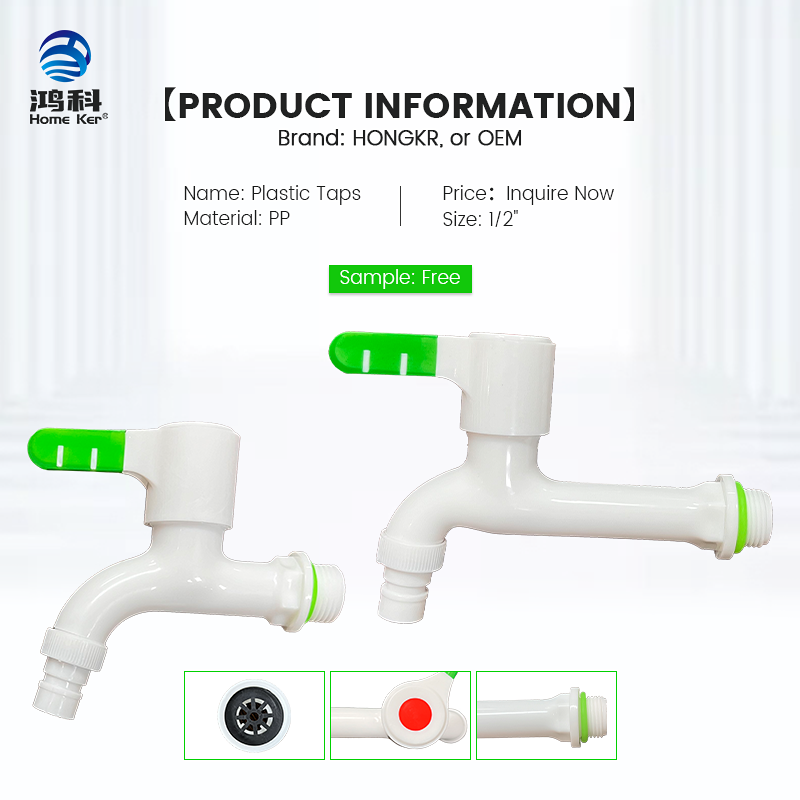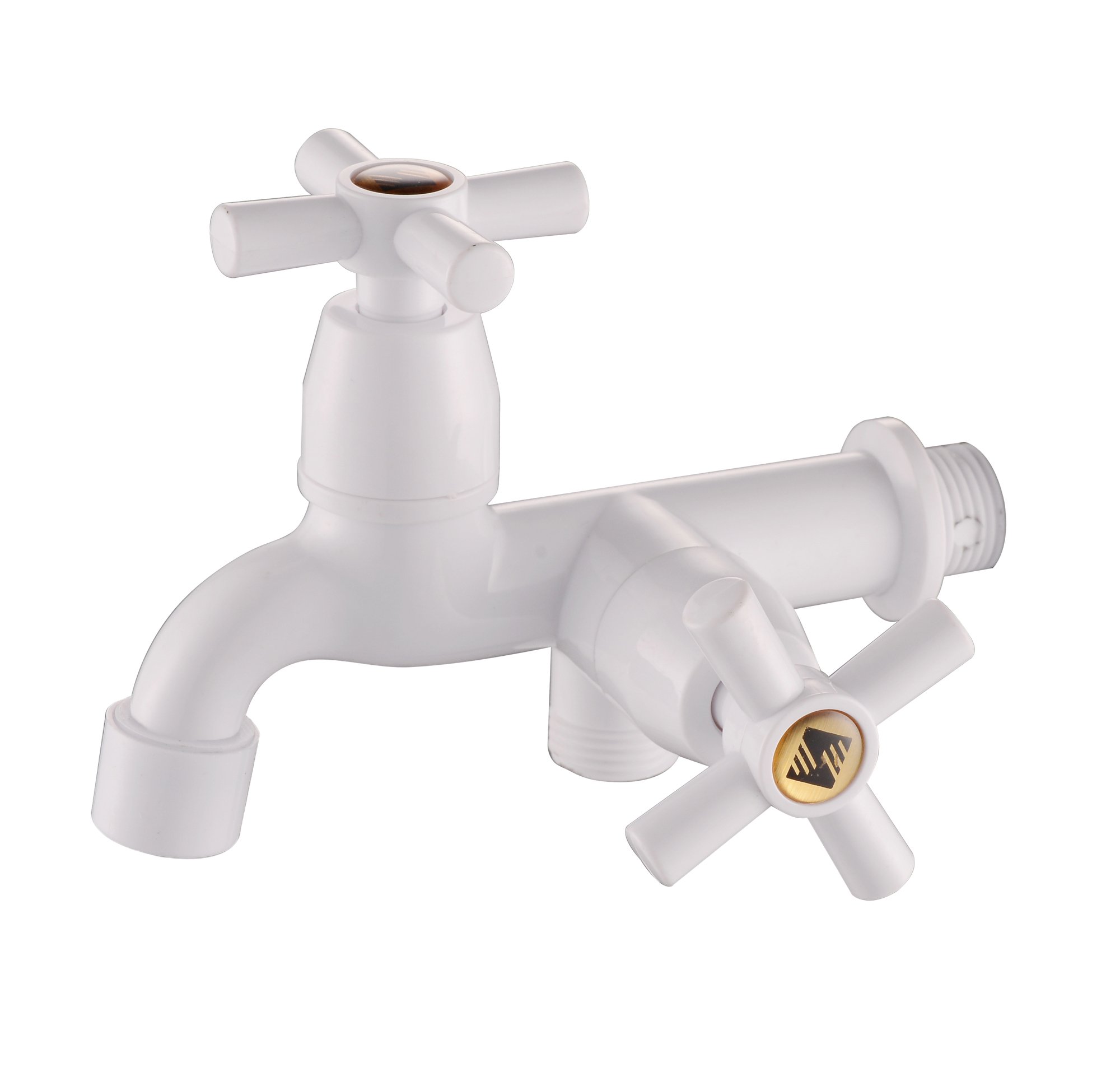

In the world of fluid handling and outdoor water systems, “plastic” is a broad term that covers a variety of engineered polymers. For many standard irrigation tasks, standard PVC is the go-to choice. However, as systems become more complex—involving hotter water or more aggressive chemical treatments—the limitations of standard PVC become apparent.
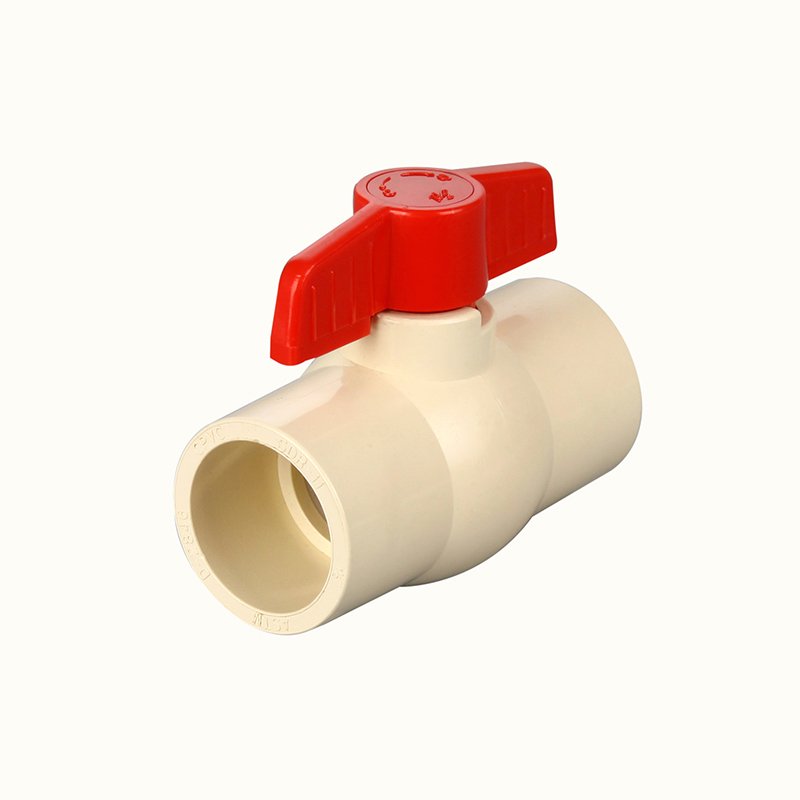
If your project involves elevated temperatures or highly corrosive media, the cpvc ball valve is not just an upgrade; it is a mechanical necessity. As an industry-leading factory-integrated supplier with 17 years of experience, HONGKE (Zhejiang Hongke Valve Co., Ltd.) provides the technical clarity needed to help you choose the right material for your specific workflow.
1. The Core Difference: Heat Resistance
The most significant distinction between a standard PVC valve and a cpvc ball valve lies in their thermal thresholds.
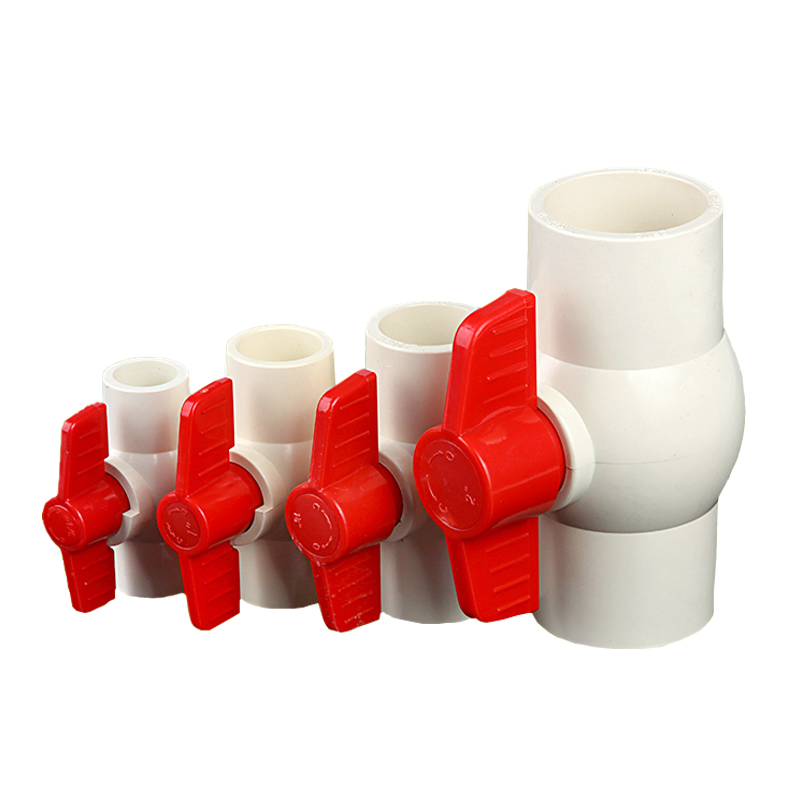
- PVC (Polyvinyl Chloride): Standard PVC begins to soften and lose its structural integrity at temperatures exceeding 140°F (60°C). This makes it ideal for ambient-temperature irrigation and cold-water supply lines.
- CPVC (Chlorinated Polyvinyl Chloride): Through a chlorination reaction, the polymer structure is reinforced. A cpvc ball valve can reliably handle temperatures up to 200°F (93°C).
If your outdoor water system is exposed to extreme solar heat gain or if it carries heated industrial discharge, standard PVC may warp, leading to leaks or handle seizure. In these high-heat scenarios, CPVC is the only reliable choice to ensure the safety and longevity of your infrastructure.
2. Chemical and Corrosion Performance
While both materials are prized for being “corrosion-proof” compared to metal, the extra chlorine in CPVC provides superior resistance to many aggressive chemicals and highly chlorinated water.
In modern agricultural irrigation—specifically systems using intensive fertigation or those sourced from treated wastewater—the chemical concentrations can be harsh. A cpvc ball valve provides an added layer of protection against chemical degradation. If your system handles acidic or alkaline media that would eventually “pitting” or weaken standard PVC, the reinforced chemical bonds of CPVC ensure the valve remains inert and functional for years.
Why Partner with HONGKE for Your CPVC Requirements?
Selecting a cpvc ball valve is a technical decision, and you need a supplier that understands the science behind the material. HONGKE offers distinct advantages for high-volume B2B procurement:
Material Integrity and Factory Precision
As an Industry and Trade Integrated manufacturer, we control the purity of our CPVC resins. We ensure that our CPVC valves are engineered specifically for industrial-grade performance, with pressure ratings maintained even at elevated temperatures.
Optimized for High-Volume Distribution (3000 PCS MOQ)
We serve global wholesalers and large-scale engineering firms. Our 3000 PCS MOQ per size allows us to maintain a dedicated, automated production line for CPVC products. This ensures that every valve in your bulk order meets the exact same thermal and chemical resistance standards.
17 Years of Expertise in Harsh Environments
From the heat of the Middle East to chemically intensive water treatment plants in Southeast Asia, HONGKE valves have been tested in the world’s toughest conditions. We don’t just sell valves; we provide the peace of mind that your high-temperature system is secured by a product designed for the task.
3. When to Choose a CPVC Ball Valve: A Quick Checklist
Before placing your order, ask these three questions about your operating conditions:
- Is the water temperature consistently above 140°F (60°C)? If yes, you must use CPVC.
- Are you transporting highly concentrated fertilizers or industrial chemicals? If yes, CPVC offers superior longevity.
- Is the valve installed in an unshaded, high-heat outdoor environment? CPVC’s higher thermal threshold provides a greater safety margin against solar deformation.
Conclusion: Engineering for Extremes
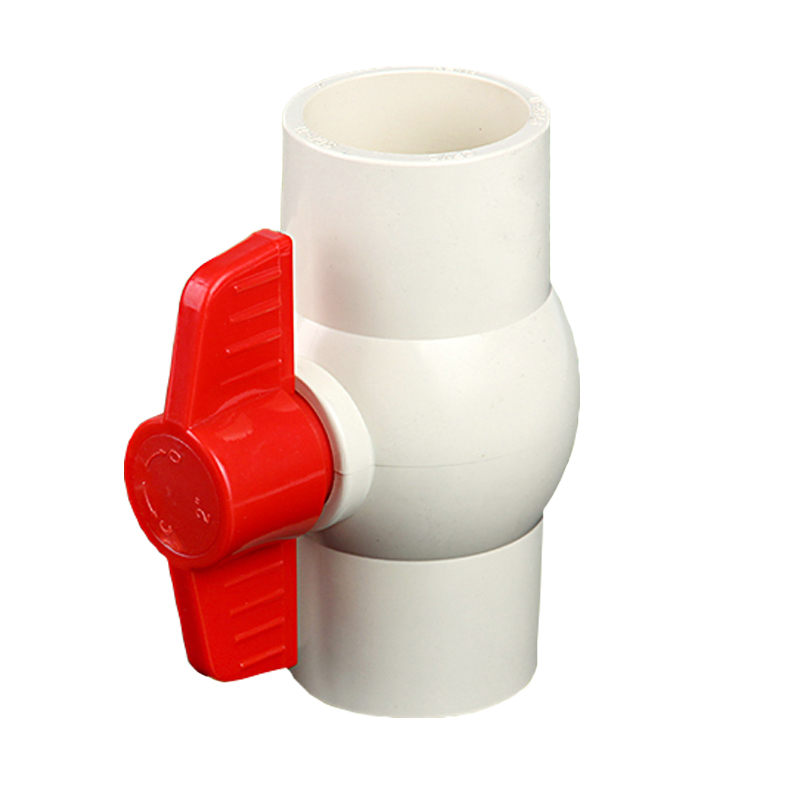
Understanding the difference between PVC and CPVC is the key to preventing catastrophic system failure. While PVC is perfect for cost-effective cold water irrigation, the cpvc ball valve is the essential choice for high-heat and high-corrosion environments.
At HONGKE, we are committed to helping our partners select the right tool for the job. With our factory-direct pricing and nearly two decades of manufacturing excellence, we are the reliable choice for your bulk CPVC procurement.
Ready to upgrade your high-temperature water system? [Contact HONGKE Today for a Technical Quote on CPVC Ball Valves]
People Also Ask (FAQ)
Q: Can I use a cpvc ball valve with standard PVC pipe? A: Yes, provided you use the correct transition fittings and solvent cements. However, remember that your system’s temperature rating is only as high as its weakest component. If you use PVC pipe with a CPVC valve, the system limit is still 140°F (60°C).
Q: Why is CPVC more expensive than PVC? A: CPVC requires a more complex chlorination process during manufacturing and uses specialized resins that offer higher heat and chemical resistance. For high-temperature applications, the extra cost is an investment in preventing system leaks and replacement labor.
Q: Does HONGKE offer custom sizes for CPVC valves? A: We provide a wide range of standard industrial sizes. As a factory-integrated supplier, we can discuss specific requirements for large-scale projects meeting our 3000 PCS MOQ per size.
Q: How do I identify a CPVC valve vs. a PVC valve? A: Generally, CPVC is light grey or tan/cream-colored, whereas standard PVC is typically white or dark grey. HONGKE valves are clearly marked with their material type and pressure ratings for easy identification in the field.