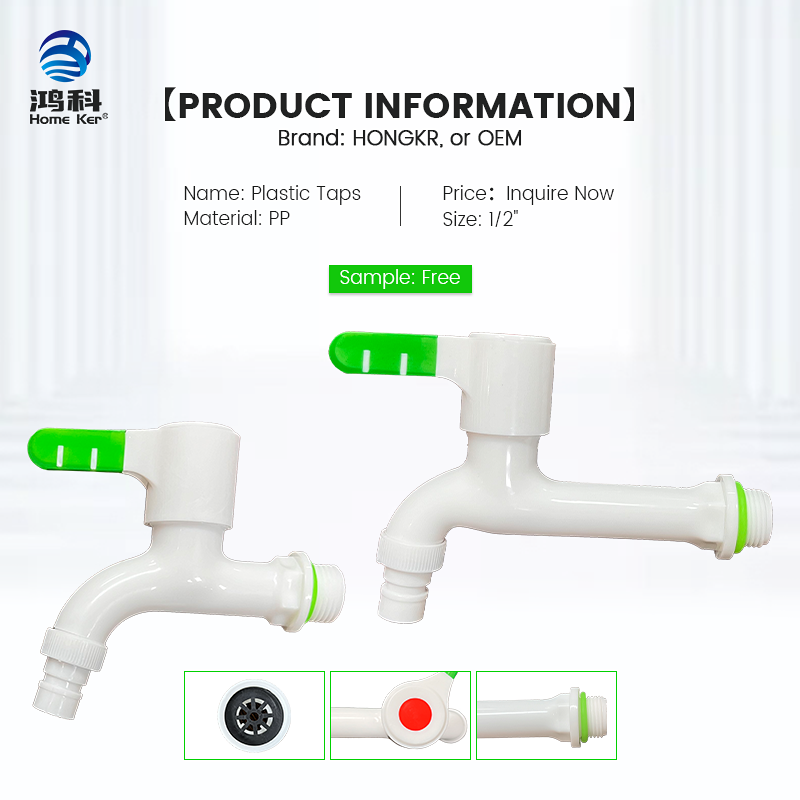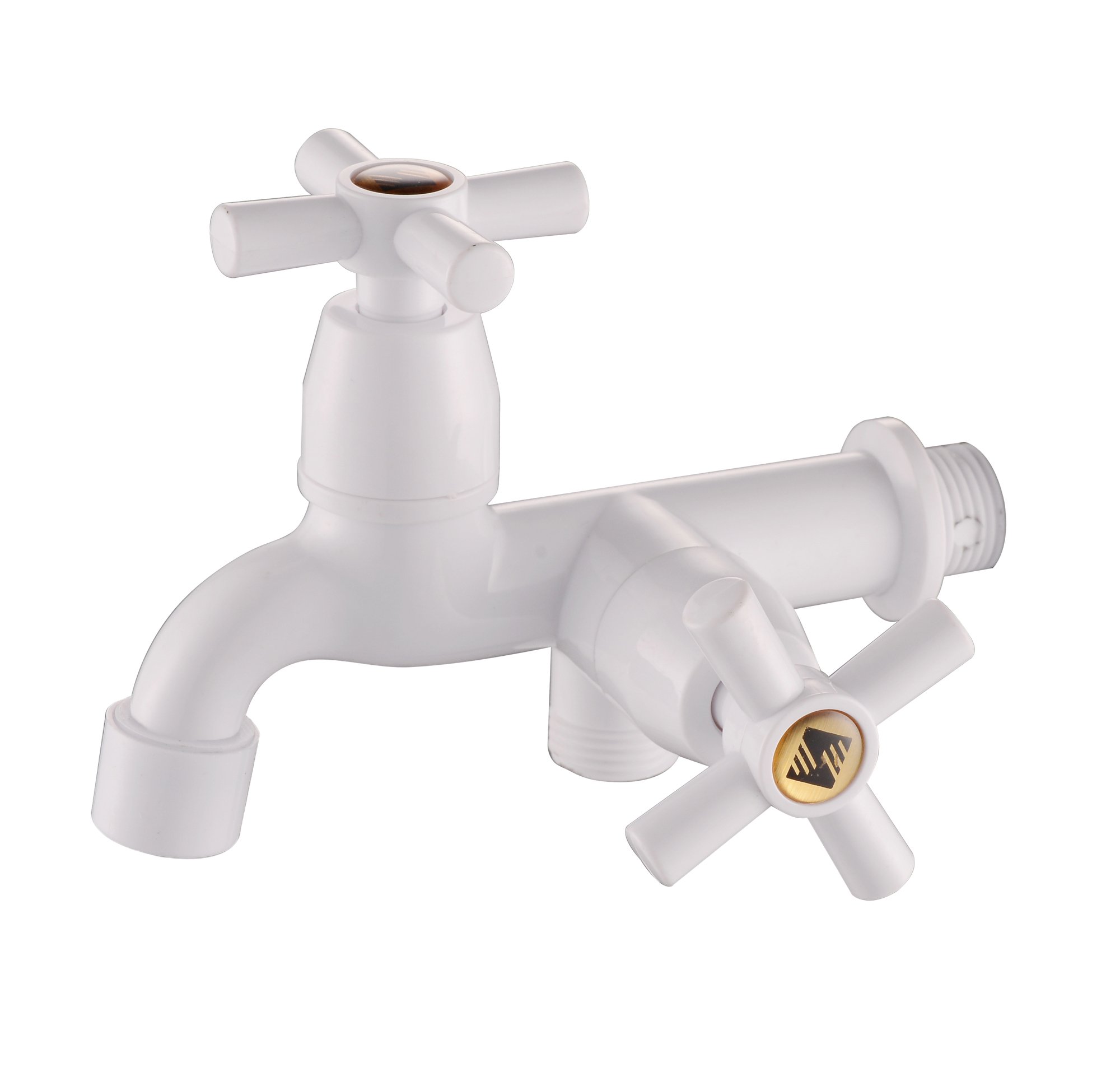

If you’ve ever had to replace a seized, corroded metal outdoor tap after just one winter, you know the frustration of “standard” plumbing. For years, the industry relied on brass or galvanized steel, assuming weight equaled quality. However, professionals in agricultural irrigation, landscaping, and laboratory management are increasingly reaching for a plastic faucet as their primary solution.
The shift isn’t just about saving money—it’s about engineering. Modern polymers have evolved to solve the fundamental flaws of metal: oxidation, mineral buildup, and excessive weight. At HONGKE (Zhejiang Hongke Valve Co., Ltd.), we’ve spent 17 years proving that a well-made plastic faucet is not just a “cheap alternative,” but often the superior technical choice for harsh environments.
1. Metal vs. Plastic: Breaking the Myths
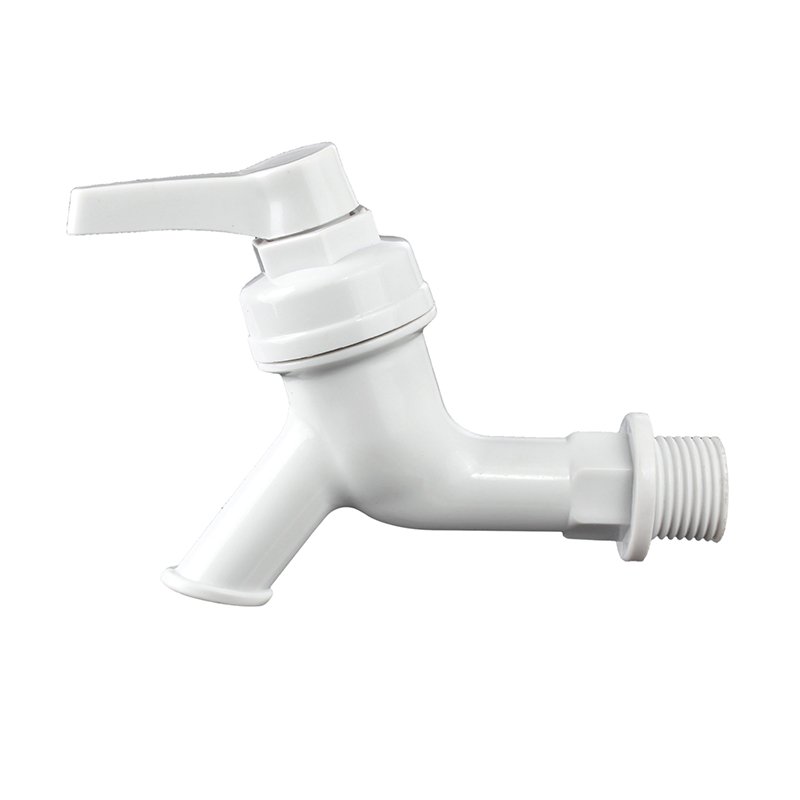
Many buyers hesitate at the word “plastic,” fearing brittleness or leaks. However, the performance gap has closed. When we talk about a high-quality plastic faucet, we are referring to engineered UPVC or PP materials designed specifically for fluid control.
The Problem with Metal Taps
- Oxidation (Rust): Metal reacts with water and oxygen. In coastal or humid areas, this leads to structural failure.
- Scale Accumulation: Metal surfaces are microscopically porous, allowing calcium and minerals to “stick,” eventually clogging the tap.
- Thermal Conductivity: Metal transfers heat and cold rapidly, making them more prone to cracking during sudden temperature shifts.
The Plastic Solution
- Corrosion-Proof: A plastic faucet is chemically inert. It will never rust, regardless of the salinity of the air or the acidity of the soil.
- Self-Lubricating Surface: The smooth internal walls of plastic bibcocks resist mineral scaling, maintaining a full flow rate for its entire lifespan.
- Cost-Efficiency: For large-scale projects like farm irrigation or housing developments, plastic provides a significantly higher ROI without sacrificing performance.
2. Where Does a Plastic Faucet Excel?
Understanding the application is key to selecting the right specifications. A plastic faucet is versatile, but its strengths shine in specific “harsh” zones:
| Application | The “Pain Point” | How Plastic Solves It |
| Outdoor Gardens | Rain, sun, and dirt | UV-stabilized plastic resists fading and cracking. |
| Agricultural Irrigation | Fertilizer and chemical exposure | Plastic is inert to most agricultural chemicals. |
| Rainwater Barrels | Low pressure and constant moisture | Lightweight plastic taps seal perfectly in thin-walled tanks. |
| Laboratories | Metal contamination | Plastic prevents heavy metal ions from leaching into samples. |
3. The HONGKE Advantage: Quality at Scale
As a factory-integrated leader, HONGKE doesn’t just “sell” faucets—we manufacture them to meet professional B2B standards. We understand that for our wholesale partners, reliability is the only thing that matters.
17 Years of Manufacturing Excellence
We utilize high-precision injection molding to ensure every plastic faucet has crisp, clean threads (NPT or BSPT) and a bubble-tight seal. Our handles are ergonomically designed for high-frequency use, ensuring they don’t snap even after years of outdoor operation.
UV Resistance & Material Purity
We infuse our polymers with high-grade UV stabilizers. This is the difference between a HONGKE faucet and a “cheap” generic one. Our products won’t turn “chalky” or brittle under the punishing midday sun, making them ideal for the world’s most extreme climates.
Bulk Supply for Professionals (3000 PCS MOQ)
We focus exclusively on the B2B sector. Our 3000 PCS MOQ per size ensures that we can maintain a dedicated production line, offering factory-direct pricing that trading companies cannot compete with. For distributors and large-scale contractors, this means a stable, high-quality supply chain.
4. Installation & Maintenance Tips
To maximize the lifespan of your plastic faucet, follow these simple professional guidelines:
- Hand-Tighten First: Plastic threads are precise. Start by hand to ensure they aren’t cross-threaded before using a tool for the final quarter-turn.
- Use Quality Tape: Always use PTFE (Teflon) tape on the threads to ensure a lubricated, watertight seal.
- Winterize Early: While our plastic is durable, water expansion from freezing can damage any tap. Drain your outdoor lines before the first hard freeze to protect your infrastructure.
Conclusion: Stop Fighting Rust. Start Building with Plastic.
The transition to a plastic faucet is a sign of a smart, modern infrastructure. By choosing a material that naturally resists the elements, you reduce maintenance costs and improve system longevity.
At HONGKE, we are ready to be your long-term partner in high-volume plumbing solutions. Let our 17 years of manufacturing expertise work for you.
Ready to upgrade your inventory with rust-proof solutions? [Contact HONGKE Today for a Wholesale Quote & Catalog]
People Also Ask (FAQ)
Q: Is a plastic faucet strong enough for high-pressure systems? A: Absolutely. HONGKE faucets are rated for pressures up to 150 PSI (1.0 MPa), which is more than sufficient for standard municipal water and most agricultural pump systems.
Q: Will the sun make the plastic faucet brittle? A: Only if it lacks UV protection. Our faucets are engineered with UV stabilizers specifically for outdoor use, ensuring they remain flexible and strong even in high-heat environments.
Q: Why does HONGKE have a 3000 PCS MOQ? A: To provide the most competitive factory-direct pricing, we optimize our production cycles for high volume. This allows us to keep quality high and costs low for our global B2B partners.
Q: What is the best way to clean a plastic faucet? A: Because the surface is so smooth, most debris can be wiped away with a damp cloth. Unlike metal, you never need to use harsh abrasives or “rust-away” chemicals.