
Introduction to One Way Valve PVC
When it comes to managing fluid flow in pipes, few components are as crucial as a one way valve PVC. These devices are designed to allow liquids or gases to move in a single direction, effectively stopping any reverse flow that could lead to contamination, damage, or inefficiency. Whether you’re dealing with home plumbing, garden irrigation, or larger industrial applications, incorporating a one way valve PVC can make a world of difference in system reliability.
At Zhejiang HONGKE Valves factory, we’ve been producing high-quality PVC valves for years, focusing on materials that resist corrosion and wear. Our products stand out for their affordability and longevity, making them a go-to choice for professionals and DIY enthusiasts alike. In this article, we’ll dive into what makes these valves tick, the various types available, their applications, and practical advice on selection and maintenance. By the end, you’ll have a clear understanding of why a one way valve PVC is an investment worth making.
Understanding How a One Way Valve PVC Works
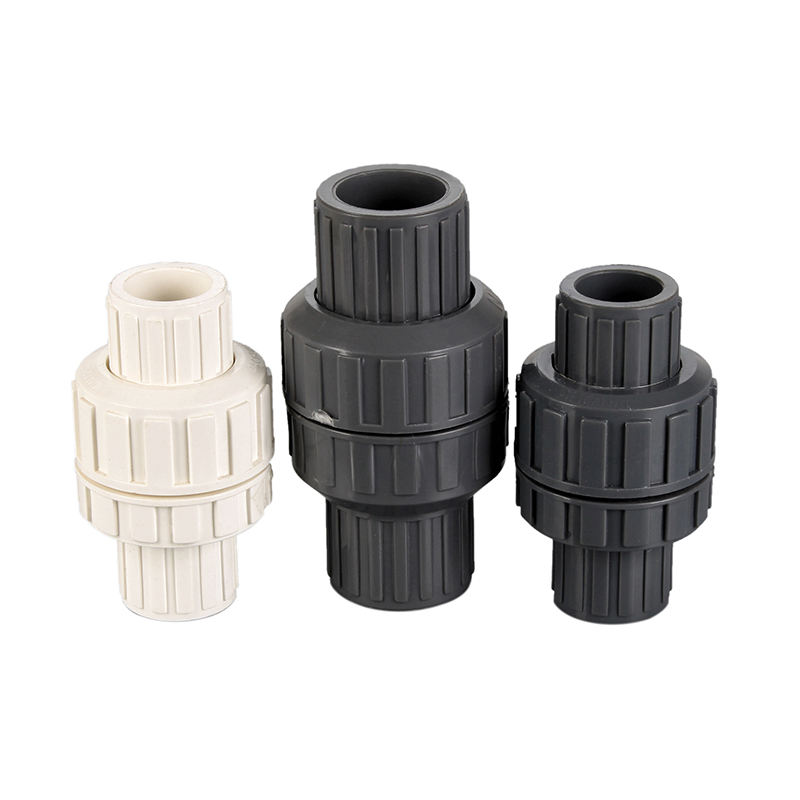
A one way valve PVC, often referred to as a check valve, operates on a simple yet effective principle: it opens to permit forward flow and closes automatically to block backflow. This mechanism relies on the pressure of the fluid itself, without needing external power or manual intervention.
The Basic Mechanics
Inside a typical one way valve PVC, you’ll find a disc, ball, or flap that responds to flow direction. When fluid pushes in the intended direction, the internal component lifts or swings open, allowing passage. If pressure reverses, gravity or a spring forces it shut, creating a seal. This prevents issues like water hammer or system flooding.
For instance, in a sump pump setup, a one way valve PVC ensures water drained from a basement doesn’t flow back in during heavy rains. Materials like PVC are chosen for their lightweight nature and resistance to chemicals, making them ideal for water-based systems.
Key Benefits of Using PVC Material
PVC stands for polyvinyl chloride, a plastic known for its strength and versatility. Unlike metal valves, a one way valve PVC won’t rust, which is a huge plus in moist environments. It’s also more affordable and easier to install, reducing labor costs. Durability is another highlight—our models at HONGKE can handle pressures up to 150 PSI, depending on size.
Environmentally, PVC is recyclable, and its production has a lower carbon footprint compared to some metals. For users concerned about health, these valves are often certified lead-free, ensuring safe use in potable water lines.
Popular Sizes and Types of One Way Valve PVC
Not all one way valve PVC options are created equal; they come in various sizes and designs to fit specific needs. Let’s break down some common variants.
One Way Valve PVC 3/4 Inch: Compact and Versatile
The one way valve PVC 3/4 is a popular choice for smaller residential applications, such as connecting to garden hoses or small pumps. Measuring about 0.75 inches in diameter, it fits standard pipes and offers low flow resistance. At HONGKE, our 3/4 inch model features a swing check design, which is reliable for horizontal installations.
This size is perfect for preventing backflow in drip irrigation systems, where even minor reverses can waste water or damage emitters. We’ve seen customers use the one way valve PVC 3/4 in aquariums too, to keep filters running smoothly without siphoning issues.
One Way Valve PVC 1 Inch: For Medium-Duty Tasks
Stepping up, the one way valve PVC 1 inch handles higher volumes, making it suitable for home sump pumps or light commercial use. With a 1-inch diameter, it accommodates flows up to 10 gallons per minute efficiently. Our factory’s version includes threaded ends for easy connection, and it’s built to withstand temperatures from 32°F to 140°F.
In practice, a one way valve PVC 1 inch shines in rainwater harvesting setups, ensuring collected water doesn’t contaminate sources. It’s also common in pool maintenance, where it protects pumps from debris backwash.
50mm PVC One Way Valve: Larger Scale Solutions
For bigger pipes, the 50mm PVC one way valve—equivalent to about 2 inches—provides robust performance. This metric-sized option is favored in international markets and industrial contexts, like wastewater treatment. HONGKE’s 50mm model uses a ball check mechanism for vertical orientations, offering a tighter seal against high-pressure backflows.
Applications include agricultural irrigation lines, where the 50mm PVC one way valve prevents soil erosion from reverse water movement. It’s also used in manufacturing plants for chemical dosing, thanks to PVC’s resistance to acids and bases.
Beyond these, other types include swing, ball, and lift check valves. Swing types are great for low-pressure scenarios, while ball checks excel in turbulent flows. For more on valve varieties, check this authoritative guide on check valve types from Wikipedia.
Applications Across Industries
The versatility of a one way valve PVC extends to numerous fields, each benefiting from its backflow prevention.
Residential Plumbing and Drainage
In homes, these valves are indispensable for basement sump systems and sewage lines. They stop wastewater from re-entering during floods, protecting property. For example, installing a one way valve PVC in a washing machine drain line avoids overflows.
Agricultural and Irrigation Uses
Farmers rely on them to maintain even water distribution in fields. A 50mm PVC one way valve can integrate into pivot systems, ensuring pumps don’t lose prime. This leads to water savings and healthier crops.
Industrial and Commercial Settings
In factories, one way valve PVC components control chemical flows, preventing mixing that could cause reactions. They’re also in HVAC systems to manage coolant circulation without leaks.
For product specifics, visit our HONGKE PVC check valve page or explore our irrigation valve collection. If you’re interested in custom solutions, head to our custom valve inquiry form.
Why Choose Zhejiang HONGKE Valves Factory
As a leading manufacturer in Zhejiang, China, HONGKE Valves prioritizes quality in every one way valve PVC we produce. Our factory uses advanced injection molding to ensure precise dimensions and leak-proof seals. We comply with international standards like ISO 9001, guaranteeing reliability.
What sets us apart? Competitive pricing without skimping on materials—our valves last up to 10 years in normal use. Customer feedback highlights easy installation and minimal maintenance needs. Plus, we offer bulk orders with fast shipping worldwide.
Step-by-Step Installation Guide
Installing a one way valve PVC is straightforward, but doing it right ensures longevity.
Preparation and Tools Needed
Gather PVC primer, cement, a pipe cutter, and measuring tape. Check pipe compatibility—ensure ends match (threaded or solvent weld).
Cutting and Fitting
Measure and cut pipes to fit the valve length. Apply primer to ends, then cement, and insert into the valve sockets. For threaded types like our one way valve PVC 1 inch, use Teflon tape.
Orientation Matters
Always install with the arrow pointing in the flow direction. Horizontal for swing types, vertical for ball checks.
Testing for Leaks
Run water through the system and inspect for drips. If issues arise, reapply cement or tighten threads.
Maintenance and Troubleshooting Tips
To keep your one way valve PVC performing, regular checks are key.
Routine Inspections
Every six months, disassemble if possible and clean debris from the internal mechanism. Use mild soap for PVC surfaces.
Common Issues and Fixes
If the valve sticks, it might be due to sediment—flush with clean water. For noise during operation, consider a spring-loaded model to reduce slamming.
When to Replace
Signs like constant leaking or cracking mean it’s time for a new one. HONGKE offers warranties up to two years, so contact us for replacements.
Environmental and Safety Considerations
Using a one way valve PVC promotes water conservation by preventing waste from backflows. Safety-wise, they reduce risks of contamination in drinking water systems. Always follow local codes for installations.
Conclusion: Invest in Quality Flow Control
Incorporating a one way valve PVC from Zhejiang HONGKE Valves factory is a smart move for any fluid system. With options like the one way valve PVC 3/4, one way valve PVC 1 inch, and 50mm PVC one way valve, you’re covered for various needs. These valves not only protect your setup but also save money long-term through efficiency.
Ready to upgrade? Browse our full range today and experience the difference in quality and performance.