

Introduction to PVC Ball Valve Socket End
In the realm of modern plumbing and fluid control systems, selecting the right components can make all the difference in efficiency, longevity, and maintenance ease. One standout option that has gained popularity among homeowners, contractors, and industrial users is the PVC Ball Valve Socket End. This versatile valve type combines robust construction with user-friendly design, making it a go-to choice for regulating water flow in various settings. Whether you’re upgrading your home’s irrigation setup or optimizing an industrial pipeline, understanding the PVC Ball Valve Socket End can help you make informed decisions that save time and money.
Unlike metal alternatives, these valves are crafted from polyvinyl chloride (PVC), a material known for its lightweight nature and resistance to environmental factors. They feature a socket end connection, which allows for a secure, glue-based installation that ensures leak-proof performance. In this comprehensive guide, we’ll explore everything from basic features to advanced applications, ensuring you have the knowledge to integrate a PVC Ball Valve Socket End into your projects effectively.
Key Features of PVC Ball Valve Socket End
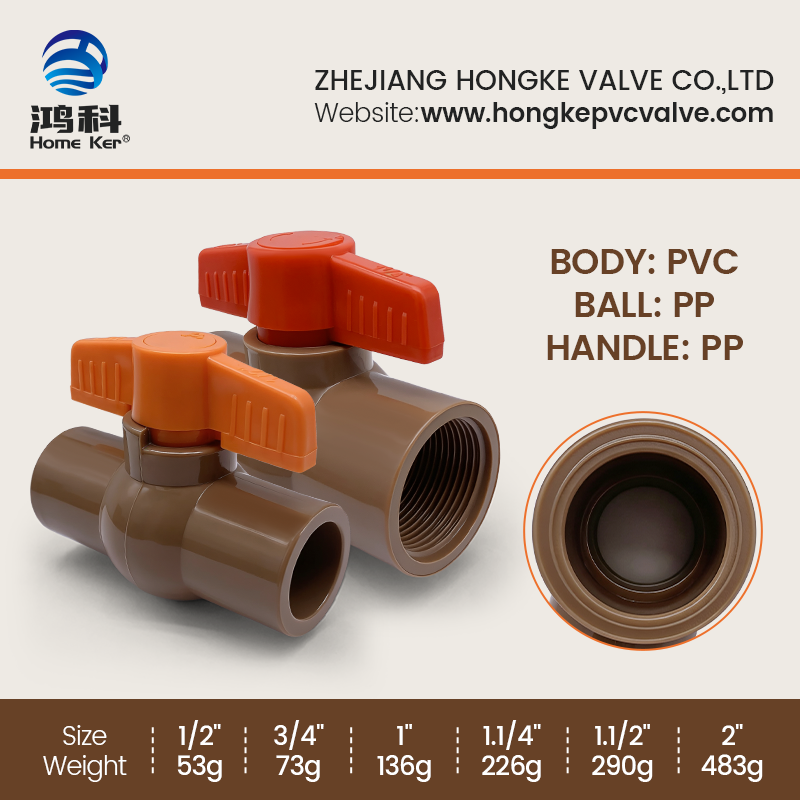
The appeal of the PVC Ball Valve Socket End lies in its thoughtfully engineered features that prioritize reliability and simplicity. At its core, this valve uses a spherical ball mechanism to control flow—rotating 90 degrees to either fully open or close the passage. This quarter-turn operation is quick and effortless, reducing wear on the handle and providing precise control.
Durability and Material Advantages
Made from high-grade PVC, these valves excel in environments where corrosion could compromise metal parts. They resist chemicals, acids, and salts, making them ideal for water treatment or pool systems. The socket end design facilitates a fusion-like bond with PVC pipes, creating a monolithic structure that withstands pressure up to 150 PSI in standard models.
One variant worth noting is the PVC Socket Fusion Ball Valve, which enhances this bonding process through heat application for even stronger joints. This method ensures minimal leakage risks, extending the valve’s lifespan beyond traditional threaded options.
Ease of Operation and Maintenance
Users appreciate the ergonomic handle on a PVC Ball Valve Socket End, often designed with a T-shape or lever for comfortable grip. Maintenance is straightforward; the true union style in many models allows disassembly without cutting pipes, saving labor costs. Regular inspections involve simply checking for debris in the ball chamber, which can be cleaned with mild solvents.
For those seeking enhanced chemical resistance, the PVC-U Socket Type Ball Valve stands out. This unplasticized version offers superior rigidity, perfect for high-pressure scenarios without sacrificing the socket end’s installation benefits.
Benefits Over Traditional Valve Types
When comparing the PVC Ball Valve Socket End to other valves like gate or globe types, several advantages emerge. Firstly, its full-bore design minimizes flow restriction, promoting efficient fluid movement and reducing energy consumption in pumps. This is particularly beneficial in irrigation where consistent pressure is key.
Cost-Effectiveness and Longevity
Initial costs for a PVC Ball Valve Socket End are lower than brass or stainless steel counterparts, yet they deliver comparable performance in non-extreme temperatures (up to 140°F). Their resistance to scaling and buildup means fewer replacements, translating to long-term savings. Studies from industry sources indicate that PVC valves can last 20-30 years with proper care, outpacing many metal options in corrosive settings.
In contrast, threaded valves might loosen over time due to vibrations, whereas the socket end’s permanent bond eliminates this issue. For comprehensive setups, consider the PVC Socket Ball Valve and Fittings Kit, which bundles compatible components for streamlined assembly.
Environmental and Safety Perks
PVC materials are recyclable, aligning with sustainable practices in construction. Safety-wise, the smooth interior prevents bacterial growth, making these valves suitable for potable water systems. They also operate quietly, without the slamming noise associated with some check valves.
To learn more about valve standards, check out this authoritative resource on ball valve mechanics from the American Society of Mechanical Engineers .
Step-by-Step Installation Guide for PVC Ball Valve Socket End
Installing a PVC Ball Valve Socket End is a DIY-friendly task that requires basic tools like PVC primer, cement, and a pipe cutter. Always prioritize safety by wearing gloves and ensuring the work area is well-ventilated.
Preparation and Materials Needed
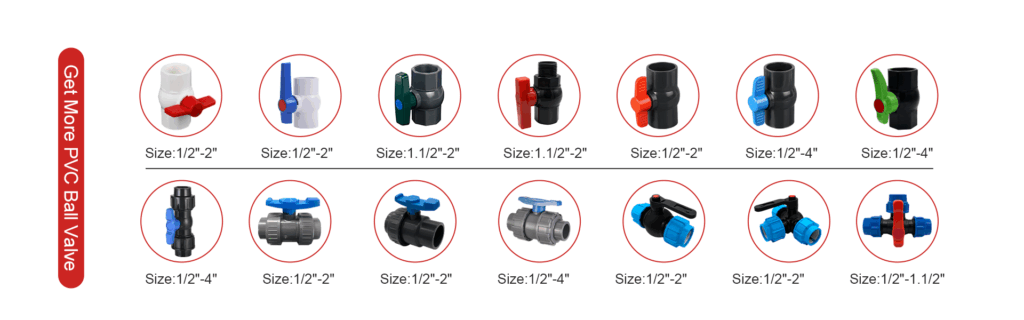
Begin by measuring and cutting your PVC pipes to fit. Gather a PVC Ball Valve Socket End of the appropriate size (common diameters include 1/2″ to 4″). Ensure compatibility with your system’s pressure rating.
For specialized installations, the PVC Socket Fusion Ball Valve requires a fusion tool to heat the socket and pipe ends before joining, creating an unbreakable seal.
Installation Process
- Clean the Ends: Apply PVC primer to both the pipe end and valve socket to remove oils and prepare surfaces.
- Apply Cement: Use solvent cement generously on the primed areas. Quickly insert the pipe into the socket, twisting slightly for even distribution.
- Cure Time: Hold the joint for 30 seconds and allow 15-30 minutes for curing before pressurizing. For the PVC-U Socket Type Ball Valve, follow similar steps but verify material-specific cure times.
Test the system for leaks by gradually introducing flow. If issues arise, disassemble (if union type) and reapply cement.
For related products, explore our internal guide on PVC Pipe Fittings Essentials or our Irrigation System Upgrades page.
Versatile Applications of PVC Ball Valve Socket End
The adaptability of the PVC Ball Valve Socket End makes it indispensable across sectors. In residential plumbing, it’s used for shutting off water to fixtures during repairs, preventing floods. Gardeners rely on it for drip irrigation control, where precise flow adjustment conserves water.
Industrial and Commercial Uses
In manufacturing, these valves handle chemical dosing in processing plants, thanks to their inert properties. Swimming pools benefit from their chlorine resistance, regulating filtration cycles efficiently. Agricultural applications include fertilizer distribution lines, where the socket end ensures secure connections in rugged terrains.
For complete system builds, the PVC Socket Ball Valve and Fittings Kit provides all necessary elbows and tees, simplifying large-scale projects like greenhouse watering systems.
Specialized Scenarios
In marine environments or coastal areas, the PVC Ball Valve Socket End resists saltwater corrosion better than metals. It’s also favored in HVAC drain lines for its low thermal conductivity, preventing condensation issues.
Comparison: PVC Ball Valve Socket End vs. Threaded Alternatives
While threaded PVC ball valves offer quick assembly without glue, they can be prone to leaks if not taped properly. The socket end variant, however, provides a more permanent, vibration-resistant joint, ideal for high-traffic areas.
Threaded models shine in temporary setups where frequent disassembly is needed, but for long-term reliability, the PVC Ball Valve Socket End wins with its fused connection. Cost-wise, socket ends are comparable, but installation time savings tip the scale in their favor.
Internal link: Compare with our Threaded PVC Valves Overview.
Maintenance Tips to Maximize Lifespan
To keep your PVC Ball Valve Socket End performing optimally, conduct biannual checks. Lubricate the ball with silicone if it stiffens, and flush the system to remove sediments. Avoid over-tightening handles to prevent cracking.
In cold climates, insulate exposed valves to prevent freezing. For advanced maintenance, refer to manufacturer guidelines, ensuring compatibility with any additives in your fluid.
Choosing the Right PVC Ball Valve Socket End for Your Needs
Factors to consider include size, pressure rating, and end type. Opt for NSF-certified models for drinking water. Brands emphasizing quality often include warranties, adding peace of mind.
Conclusion: Why Invest in PVC Ball Valve Socket End Today
Embracing the PVC Ball Valve Socket End means investing in a solution that’s durable, efficient, and adaptable. From effortless installation to broad applications, it addresses common plumbing challenges head-on. Whether you’re a novice or seasoned pro, incorporating this valve elevates your system’s performance while cutting costs. Explore options and transform your fluid control strategy now.


