
Introduction to Waste Pipes
In the realm of modern plumbing, the waste pipe plays a pivotal role in maintaining hygiene and functionality within residential and commercial spaces. Often overlooked until a problem arises, a well-chosen waste pipe can prevent costly repairs and ensure smooth wastewater flow. This guide delves into everything you need to know about waste pipes, highlighting their types, installation, and maintenance. Whether you’re a homeowner embarking on a DIY project or a professional plumber seeking reliable components, understanding the nuances of waste pipes is essential.
Zhejiang HONGKE Valves, a leading factory in China specializing in high-quality plumbing solutions, offers a range of waste pipes designed for durability and efficiency. Their products are engineered to meet international standards, making them a go-to choice for reliable wastewater management.
Understanding Waste Pipes
What is a Waste Pipe?
A waste pipe is a crucial component of any plumbing system, responsible for transporting wastewater from fixtures like sinks, toilets, and showers to the main sewer or septic system. Unlike supply pipes that deliver clean water, waste pipes handle used water mixed with debris, requiring them to be robust and leak-proof.
In essence, the waste pipe acts as the backbone of drainage, preventing backups and ensuring environmental compliance. For instance, in bathroom setups, it connects directly to elements like the WC pan connector, facilitating seamless waste removal.
Importance in Plumbing Systems
The significance of a properly functioning waste pipe cannot be overstated. It not only maintains sanitary conditions but also protects structures from water damage. Poorly designed or installed waste pipes can lead to clogs, leaks, and even health hazards due to sewage backups.
Integrating a waste pipe with a sewage pipe system enhances overall efficiency. Sewage pipes, which are larger conduits for collective waste from multiple sources, rely on well-connected waste pipes to function optimally. Choosing products from reputable suppliers like Zhejiang HONGKE Valves ensures compatibility and longevity.
Types of Waste Pipes
Rigid vs. Flexible Waste Pipes
Waste pipes come in various forms, but one key distinction is between rigid and flexible varieties. Rigid waste pipes, typically made from PVC or ABS, offer stability and are ideal for straight runs in fixed installations.
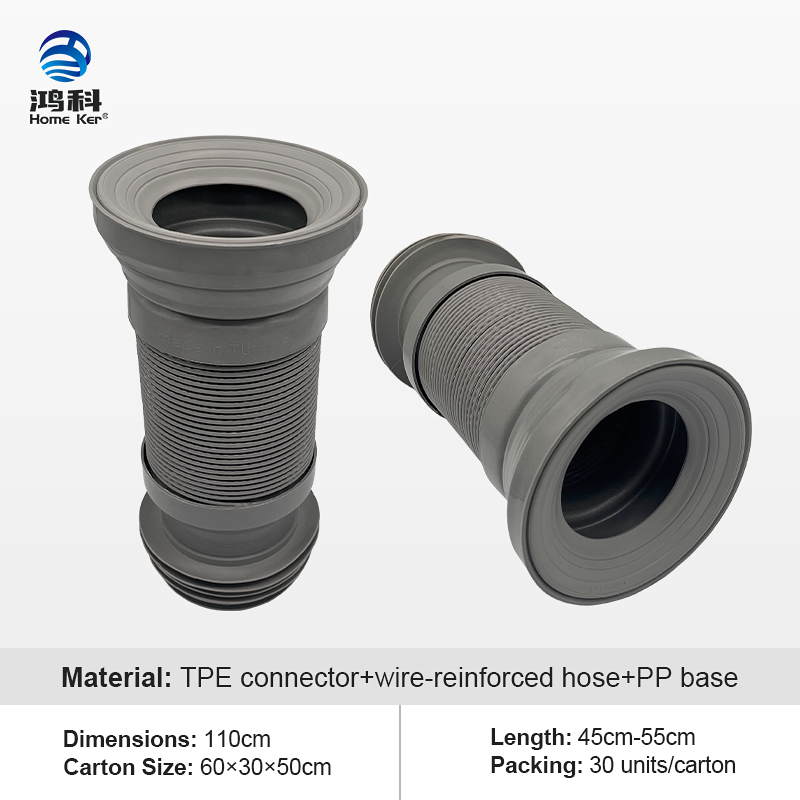
On the other hand, flexible waste pipes provide adaptability, making them perfect for tight spaces or retrofitting projects. Their flexibility allows for easier maneuvering around obstacles, reducing installation time. For example, a flexible waste pipe can bend without kinking, ensuring consistent flow.
Zhejiang HONGKE Valves produces both types, with their flexible options gaining popularity for modern renovations.
Materials Used in Waste Pipes
The material of a waste pipe significantly impacts its performance. Common materials include:
- PVC (Polyvinyl Chloride): Lightweight, corrosion-resistant, and cost-effective, PVC is widely used for indoor waste pipes.
- ABS (Acrylonitrile Butadiene Styrene): Known for its toughness, ABS is suitable for colder climates as it withstands low temperatures better.
- Cast Iron: Though heavier, it’s durable for outdoor or high-traffic applications.
When selecting materials, consider factors like local building codes and environmental exposure. A flexible PVC waste pipe from Zhejiang HONGKE Valves combines ease of use with resilience.
Key Components: Integrating Sewage Pipe and WC Pan Connector
Role of Sewage Pipe in Waste Management
The sewage pipe serves as the primary artery for wastewater, connecting individual waste pipes to municipal systems or treatment plants. It’s designed to handle higher volumes and pressures, often buried underground for protection.
In residential settings, ensuring a seamless transition from waste pipe to sewage pipe prevents blockages. Zhejiang HONGKE Valves offers compatible fittings that bridge these components effectively.
Understanding WC Pan Connector
The WC pan connector is a specialized fitting that links the toilet outlet to the waste pipe. Available in straight, offset, or flexible designs, it accommodates various toilet positions.
A flexible WC pan connector is particularly useful for non-standard installations, allowing adjustments without major plumbing overhauls. Pairing it with a reliable waste pipe ensures leak-free operation.
For more on compatible products, check out Zhejiang HONGKE Valves’ WC Pan Connector page for detailed specifications.
How to Choose the Best Waste Pipe
Factors to Consider
Selecting the right waste pipe involves evaluating several criteria:
Size and Diameter
Waste pipes vary in diameter, typically from 1.25 inches for sinks to 4 inches for toilets. Matching the size to the fixture prevents flow restrictions.
Durability and Lifespan
Opt for materials resistant to chemicals and temperature fluctuations. Products from Zhejiang HONGKE Valves are tested for long-term performance, often lasting decades.
Compatibility with Existing Systems
Ensure the waste pipe integrates with your sewage pipe and WC pan connector. Flexible options offer greater versatility here.
For in-depth product comparisons, visit Zhejiang HONGKE Valves’ plumbing fittings section.
Budget and Quality Balance
While cost is a factor, investing in quality waste pipes saves money long-term by reducing repairs. Zhejiang HONGKE Valves provides affordable yet premium options, backed by factory warranties.
For authorit
Installation Guide for Waste Pipes
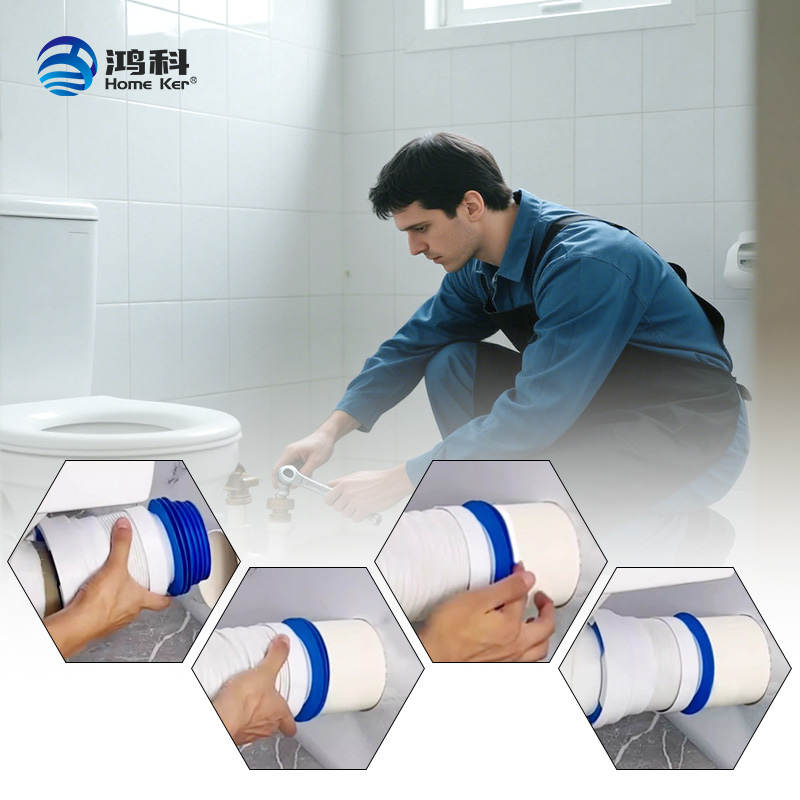
Installing a waste pipe requires careful planning to avoid common pitfalls. Here’s a step-by-step overview:
Preparation and Tools Needed
Gather tools like pipe cutters, adhesives, and measuring tapes. Ensure the area is dry and accessible.
Step-by-Step Installation
- Measure and Cut: Determine the required length and cut the waste pipe accordingly.
- Connect Fittings: Attach the WC pan connector to the toilet outlet, then link it to the waste pipe.
- Secure Connections: Use solvent cement for PVC or clamps for flexible types.
- Test for Leaks: Run water through the system and check for drips.
Visual aids can clarify the process. Below is an illustration of a typical waste pipe setup:
Maintenance Tips for Longevity
Regular Inspections
Periodically check waste pipes for signs of wear, such as cracks or discoloration. Early detection prevents major issues.
Cleaning Methods
Use enzyme-based cleaners to break down buildup without damaging the pipe. Avoid harsh chemicals that could corrode flexible waste pipes.
Common Issues and Fixes
Clogs are frequent; a plunger or snake can resolve them. For persistent problems, inspect the connection to the sewage pipe.
Zhejiang HONGKE Valves’ products are designed for easy maintenance, with smooth interiors reducing debris accumulation.
Why Choose Zhejiang HONGKE Valves for Your Waste Pipe Needs
As a factory based in Zhejiang, China, HONGKE Valves excels in manufacturing innovative plumbing solutions. Their waste pipes are crafted with precision, using eco-friendly materials that comply with global standards.
What sets them apart is their commitment to quality control and customer satisfaction. Whether you need a standard waste pipe or a custom flexible variant, their extensive catalog covers it all.
Customers praise the reliability of their WC pan connectors and sewage pipe fittings, noting fewer leaks and easier installations.
Conclusion
Mastering the selection, installation, and maintenance of a waste pipe transforms your plumbing from functional to flawless. By incorporating flexible designs, compatible sewage pipes, and essential WC pan connectors, you ensure efficient waste management. Trust suppliers like Zhejiang HONGKE Valves for products that stand the test of time.
For personalized advice, explore their full range at hongkevalves.com.