

In the world of modern plumbing and fluid control systems, selecting the right valves can make all the difference in efficiency, durability, and overall performance. Among the standout options available today is the PP 3-Way Valve, a versatile component that allows for precise direction of fluids through multiple pathways. This valve, often configured as a T-piece in 25 mm sizes, is particularly valued for its ability to handle diversion, mixing, or shut-off functions in a compact design. Produced by Zhejiang HONGKE Valves, a reputable factory based in Zhejiang, China, these valves are engineered to meet the demands of both residential and industrial applications.
Zhejiang HONGKE Valves has been a leader in manufacturing high-quality plastic fittings since 2008, specializing in products that ensure reliable water flow and system integrity. Their PP 3-Way Valve stands out due to its polypropylene construction, which offers excellent resistance to corrosion and chemicals, making it ideal for environments where traditional metal valves might fail. In this comprehensive guide, we’ll delve into the features, benefits, applications, and integration possibilities of this essential fitting, helping you understand why it’s a top choice for professionals and DIY enthusiasts alike.
Understanding the PP 3-Way Valve
What Makes the PP 3-Way Valve Unique?
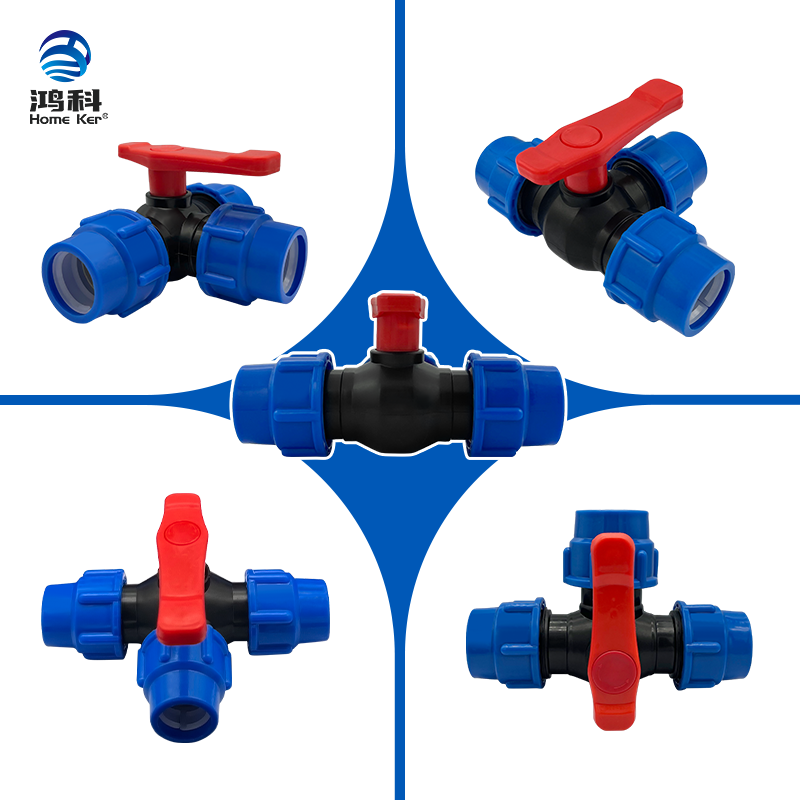
The PP 3-Way Valve is essentially a ball valve designed with three ports, allowing fluids to flow in multiple directions. Unlike standard two-way valves that simply open or close a single path, this three-port configuration enables users to redirect flow between outlets, mix streams from different sources, or isolate sections of a pipeline. Typically available in sizes like 25 mm, it features a T-piece shape that facilitates easy integration into existing systems.
At its core, the valve uses a rotating ball mechanism controlled by a lever handle, which provides smooth operation and quick adjustments. This design minimizes pressure drops and ensures leak-proof performance when properly installed. Zhejiang HONGKE Valves crafts these using high-grade polypropylene (PP), a thermoplastic known for its lightweight yet sturdy properties. This material choice not only reduces the overall weight of the system but also enhances its lifespan in harsh conditions.
Key Design Elements
One of the hallmark features of the PP 3-Way Valve is its lever handle, which allows for effortless 90-degree turns to switch between flow patterns. Some models include lockable mechanisms to prevent accidental adjustments, adding a layer of safety in critical setups. The clamp connector compatibility further simplifies assembly, as it enables secure, tool-free connections to pipes without the need for adhesives or welding.
In terms of compatibility, this valve pairs seamlessly with PE pipes, which are commonly used in irrigation and water distribution due to their flexibility and resistance to environmental stress. The 3-way lever handle ensures precise control, making it suitable for applications where flow direction needs frequent changes.
Features of the PP 3-Way Valve from Zhejiang HONGKE Valves
Zhejiang HONGKE Valves prioritizes innovation in their product line, and the PP 3-Way Valve is no exception. Here are some standout features:
Material Advantages of Polypropylene
Polypropylene, the primary material in these valves, offers superior chemical resistance compared to metals or other plastics. It withstands exposure to acids, bases, and solvents without degrading, which is crucial in agricultural or chemical processing environments. Additionally, PP is non-toxic and recyclable, aligning with eco-friendly practices in modern manufacturing.
For more on the properties of polypropylene, check out this authoritative resource from Wikipedia: Polypropylene.
Operational Efficiency
The ball valve mechanism inside the PP 3-Way Valve ensures low torque operation, meaning less effort is required to turn the handle. This is particularly beneficial in large-scale installations where manual adjustments are frequent. The valve’s internal design also promotes laminar flow, reducing turbulence and energy loss in the system.
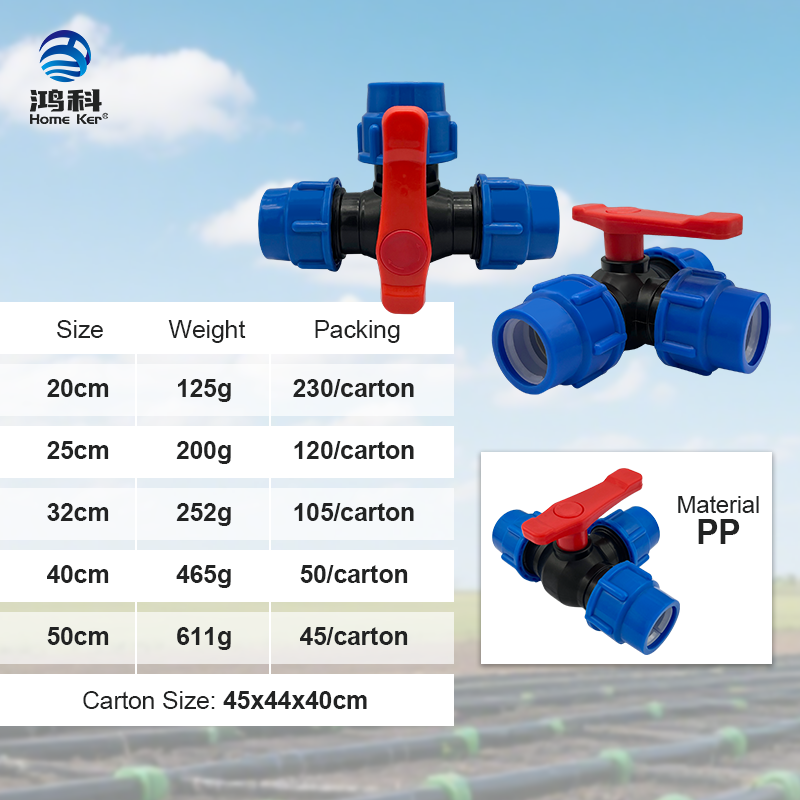
Models from Zhejiang HONGKE Valves often include reinforced seals made from durable elastomers, enhancing the valve’s ability to maintain a tight closure under varying pressures. With a standard working pressure rating of up to 1.0 MPa, these valves handle everyday demands with ease.
Benefits of Using PP 3-Way Valves
Investing in a PP 3-Way Valve brings numerous advantages that go beyond basic functionality. First and foremost, its space-saving design replaces the need for multiple two-way valves, simplifying system layouts and reducing installation costs. This compactness is especially useful in confined spaces, such as underground irrigation networks or compact industrial machinery.
Another key benefit is cost-effectiveness. Polypropylene valves are generally more affordable than their brass or stainless steel counterparts while offering comparable performance in non-extreme conditions. Maintenance is minimal, as the material resists scaling and buildup, leading to fewer clogs and longer intervals between servicing.
From a safety perspective, the lockable lever handle on many PP 3-Way Valve models prevents unauthorized tampering, which is vital in public or shared systems. Environmentally, the use of recyclable PP contributes to sustainable practices, appealing to businesses aiming for green certifications.
In terms of versatility, this valve excels in fluid mixing applications, where it can blend hot and cold water streams or combine chemicals precisely. Users report improved system reliability, with fewer leaks and breakdowns compared to older valve types.
Applications Across Industries
The PP 3-Way Valve finds its place in a wide array of sectors, thanks to its adaptable design. In agriculture, it’s commonly used in irrigation systems to divert water to different fields or mix fertilizers into the flow. The 25 mm T-piece variant is perfect for medium-scale farms, where efficient water distribution is key to crop health.
In industrial settings, such as chemical processing plants, the valve manages the convergence of pipelines carrying different substances. Its resistance to corrosion makes it ideal for handling aggressive fluids without compromising safety. Heating and cooling systems also benefit, as the valve can switch between circuits to optimize energy use in HVAC setups.
For residential plumbing, homeowners appreciate the ease of integrating the PP 3-Way Valve into water supply lines, especially when combined with a PE Pipe Ball Valve for added control. Boiler systems and steam distribution further leverage its capabilities for reliable operation under moderate pressures.
Even in specialized applications like air conditioning or steam collection, the valve’s multi-port functionality ensures smooth performance. Professionals in these fields often pair it with a Lever Handle Ball Valve to enhance manual control options.
Integrating with Complementary Components
To maximize the potential of the PP 3-Way Valve, it’s often used alongside other fittings from Zhejiang HONGKE Valves’ catalog.
Role of the PP Clamp Connector
The PP Clamp Connector serves as a quick and secure way to join pipes without permanent bonds. Appearing 1-2 times in typical setups, it complements the PP 3-Way Valve by providing flexible connections that can be disassembled for maintenance. This is particularly useful in modular systems where reconfiguration is common.
For more details on PP Clamp Connectors, visit Zhejiang HONGKE Valves’ product page: PP Clamp Connector.
Enhancing with PE Pipe Ball Valve
A PE Pipe Ball Valve adds an extra layer of isolation in polyethylene piping systems. Used sparingly (1-2 instances), it works hand-in-hand with the PP 3-Way Valve to control flow in irrigation or water transport lines, ensuring no backflow or unintended mixing occurs.
Explore compatible PE Pipe Ball Valves here: PE Pipe Ball Valve.
Leveraging the Lever Handle Ball Valve
The Lever Handle Ball Valve, featured 1-2 times in advanced configurations, offers intuitive operation similar to the PP 3-Way Valve’s handle. It’s excellent for PE pipe integrations, providing robust shut-off capabilities in high-flow scenarios.
Check out Lever Handle Ball Valves on the official site: Lever Handle Ball Valve.
Why Choose Zhejiang HONGKE Valves as Your Supplier
When sourcing valves and fittings, reliability is paramount, and Zhejiang HONGKE Valves delivers on that front. With over a decade of experience, this factory produces a range of products including PVC unions, foot valves, and specialized PP fittings. Their commitment to quality is evident in the rigorous testing each PP 3-Way Valve undergoes, ensuring it meets international standards for pressure and durability.
Customers benefit from competitive pricing, custom OEM options, and prompt delivery. Whether you’re outfitting a new irrigation project or upgrading an industrial line, their expertise in plastic valve manufacturing makes them a trusted partner.
Installation and Maintenance Tips
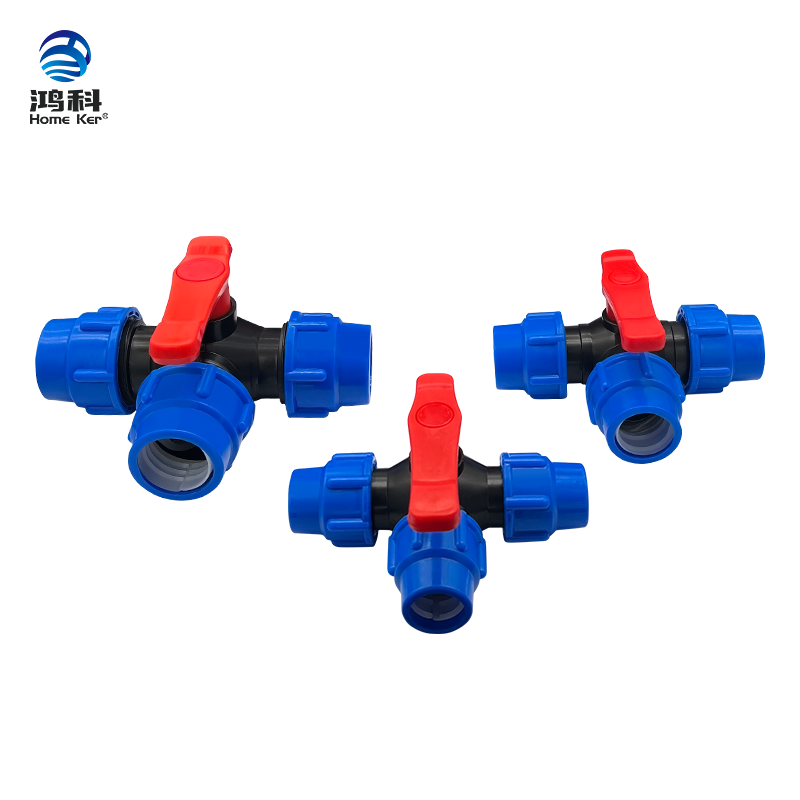
Installing a PP 3-Way Valve is straightforward. Begin by aligning the T-piece with your pipes, using clamp connectors for secure fits. Ensure the lever handle is accessible for operation. For PE pipe connections, a PE Pipe Ball Valve can be added upstream for isolation during setup.
Maintenance involves periodic inspections for wear on seals and cleaning the internal ball to prevent buildup. Avoid overtightening, as PP’s flexibility can lead to cracks under excessive force. With proper care, these valves can last years, reducing downtime and replacement costs.
The PP 3-Way Valve represents a smart choice for anyone seeking efficient, durable fluid control solutions. From its innovative design to seamless integration with components like the PP Clamp Connector, PE Pipe Ball Valve, and Lever Handle Ball Valve, it offers unmatched versatility. Sourced from Zhejiang HONGKE Valves, you can trust in its quality for long-term performance across various applications. Whether you’re managing water in agriculture or fluids in industry, this valve enhances system efficiency while keeping costs in check. Consider incorporating it into your next project for reliable results that stand the test of time.


